Why China.
China is home to some of the world's highest-ranked universities — Tsinghua and Peking sit inside the global top 20 — alongside a fast-growing catalogue of English-taught degrees and exceptionally generous government (CSC) scholarships. International students train in medicine, engineering, business and the sciences at modern, well-funded campuses, with low living costs and a front-row seat to Asia's largest economy.
Ask the expertWorld-top universities
Tsinghua and Peking rank in the global top 20, with Fudan, Zhejiang and Shanghai Jiao Tong close behind — research powerhouses.
Generous CSC scholarships
The Chinese Government Scholarship (CSC) funds thousands of international students — often full tuition, accommodation and a monthly stipend.
English-taught degrees
A large and growing catalogue of English-medium bachelor's, master's, MBBS and PhD programmes — no Mandarin needed to start.
Gateway to Asia
Study inside the world's second-largest economy, with deep industry links in tech, manufacturing and trade.
Affordable & modern
Low living costs, modern campuses and large international communities in Beijing, Shanghai and beyond.
Search the best
in China.
Choose what matters to you. We'll open the university list pre-filtered to exactly that.
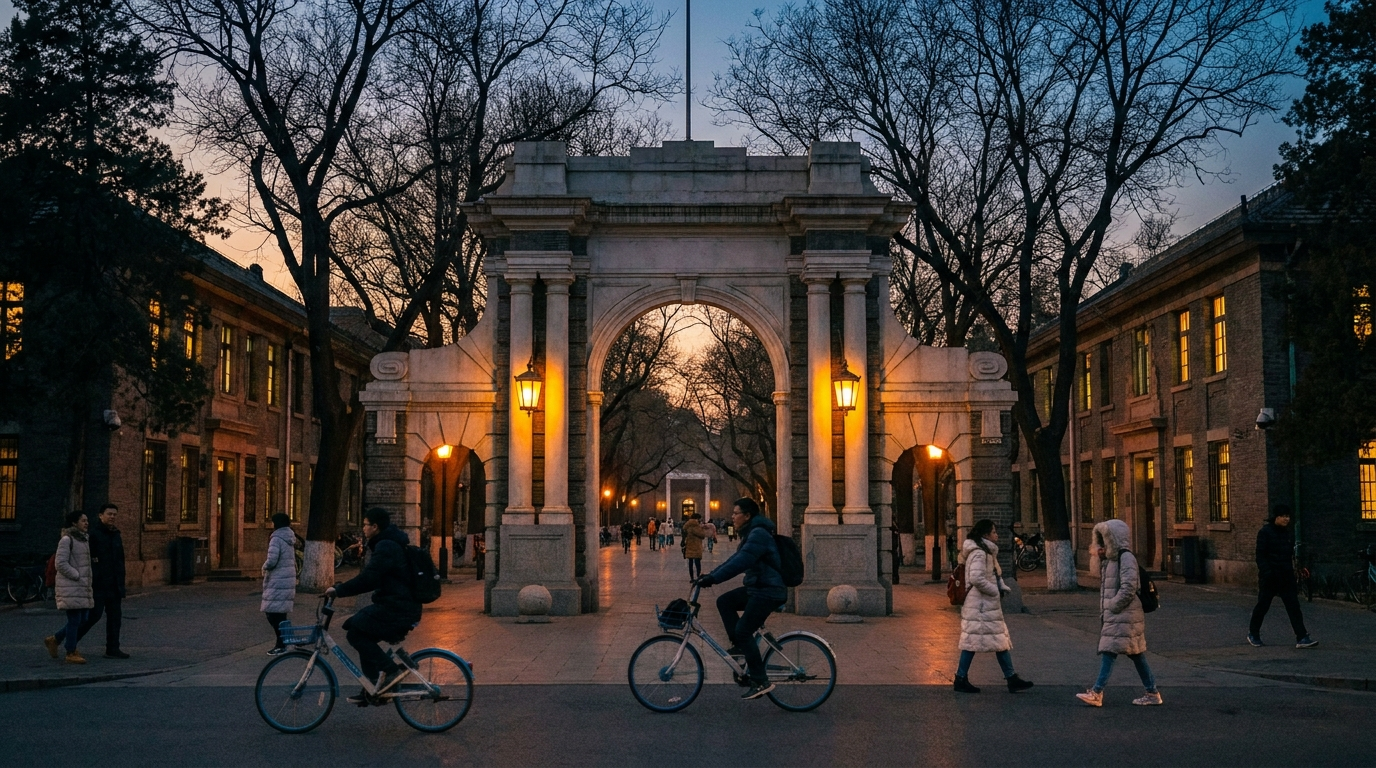 QS #20
Tsinghua University
China's #1 for engineering and science; CSC scholarships and English master's.
Visit university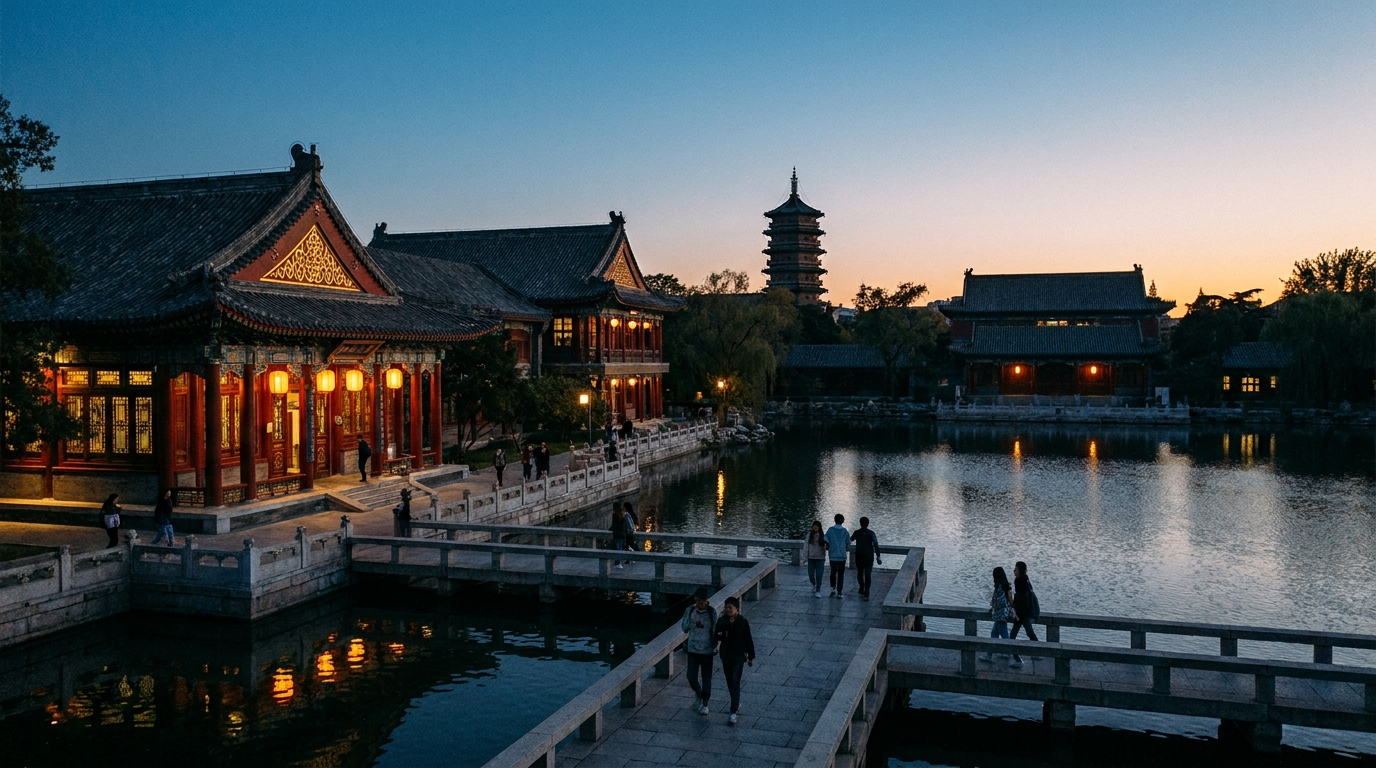 QS #14
Peking University
Elite comprehensive university; strong medicine, sciences and humanities.
Visit university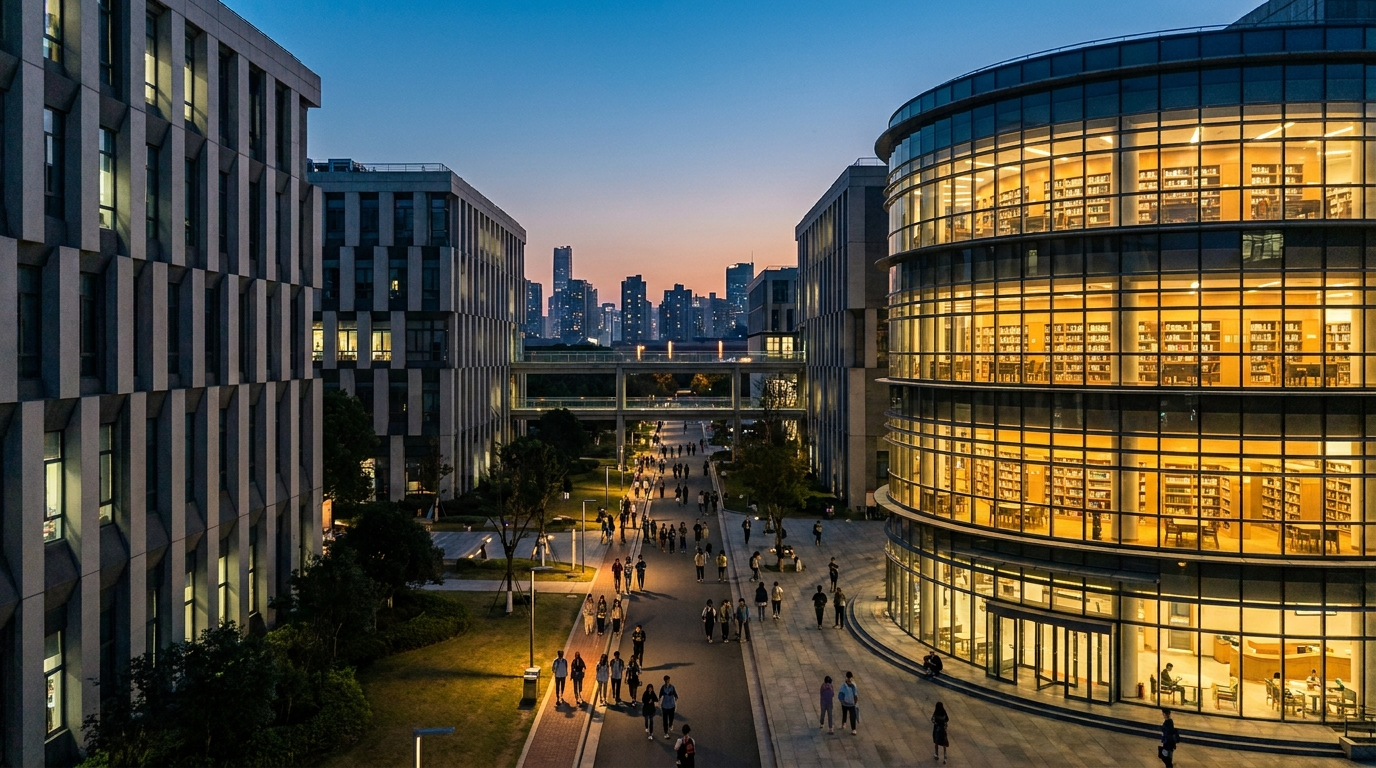 QS #39
Fudan University
Top Shanghai university; English MBBS and a broad English master's catalogue.
Visit university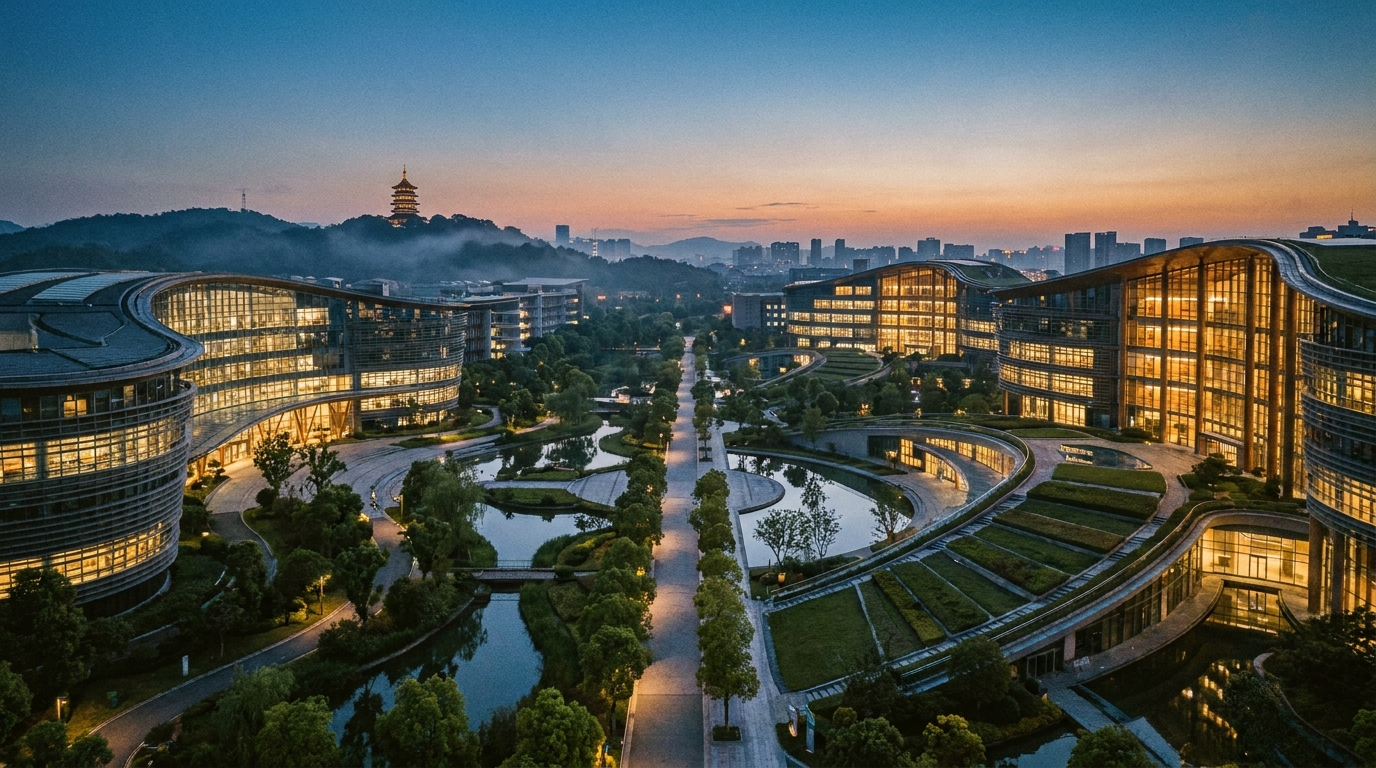 QS #47
When you can
begin.
The main intake for all programmes; CSC scholarship deadlines fall earlier, so start in winter.
A smaller second intake at many universities.
What it really
costs.
China pairs modest tuition with generous scholarships and low living costs. Figures below are a planning guide in USD; CSC and university awards can reduce them to near zero.
* MBA and elite-university programmes sit at the top; CSC, provincial and university scholarships frequently cover tuition plus accommodation.
Cost of living
Beijing and Shanghai are the priciest cities and still affordable by global standards; second-tier cities such as Hangzhou, Nanjing and Wuhan are cheaper still. On-campus dormitories and inexpensive food keep monthly budgets low.
Funding that
follows merit.
Where you'll
live & study.
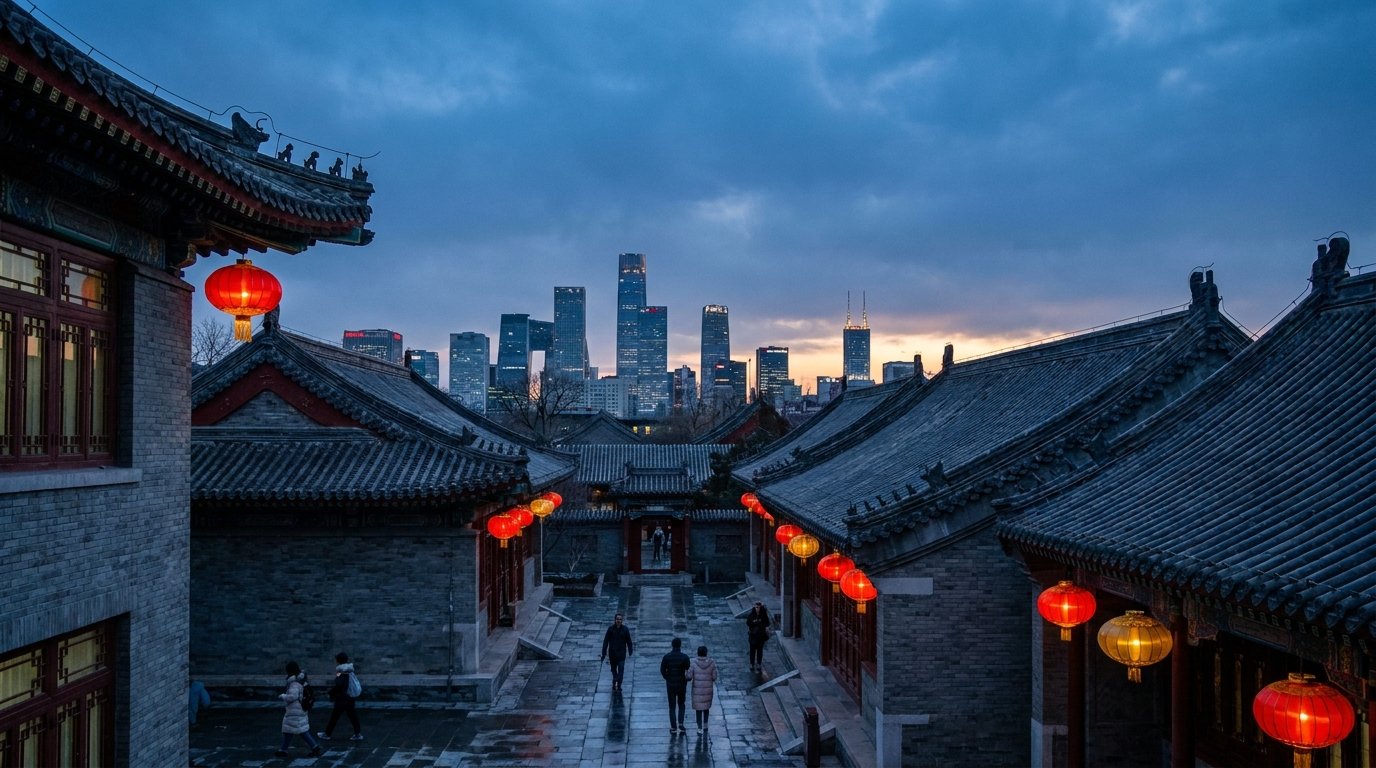
Beijing
The capital and academic heart — Tsinghua, Peking and dozens more top universities, plus deep history and culture.

Shanghai
China's cosmopolitan financial capital — Fudan and Jiao Tong, a global business scene and the most international feel.

Hangzhou
A scenic tech hub on West Lake — home to Zhejiang University and the headquarters of major technology firms.
The visa,
step by step.
EHEC manages your visa end-to-end. We assemble your document checklist, open and verify your blocked account, arrange tax-compliant financial proofs, book your embassy appointment, and run mock interviews until you walk in confident.
Ask the expertAdmission & JW202
Secure your place and the JW201/JW202 admission form — the basis of the X student visa.
X1 student visa
Apply at the Chinese embassy with your admission notice, JW form and Foreigner Physical Examination. We prepare the file.
Residence permit
Within 30 days of arrival, convert the X1 visa to a student residence permit at the local PSB.
Stay & work
Graduates can pursue internships and work options in China's economy, or carry a globally recognised degree home.
Tuition is roughly $3,000–6,000/year for most English-taught programmes (more for MBBS and MBA); living runs $500–1,000/month depending on the city. CSC scholarships can cover the lot.
Yes — the Chinese Government Scholarship (CSC), provincial and university scholarships fund many international students, frequently covering tuition, accommodation and a stipend.
Not for English-taught programmes — campuses run them fully in English. Universities teach basic Mandarin for daily life, and it helps with internships and jobs.
Choose a WHO/WDOMS-listed, NMC-approved university and the English MBBS supports the FMGE/NExT and other licensing routes. We confirm recognition before you apply.
Chinese university cities are very safe, modern and well-organised, with low crime, reliable transport and strong campus support for international students.