Why Cyprus.
Cyprus is a sunny, English-friendly EU island with a fast-growing private-university sector, affordable tuition, and a relaxed Mediterranean lifestyle. Strong in business, medicine, and tourism, with English widely used in teaching and daily life, it's an easy, warm gateway into European study.
Ask the expertEnglish-medium & easy
English is widely used in teaching and daily life — a smooth, barrier-free entry into EU study.
Fast-growing universities
A booming private-university sector plus respected public universities, strong in business, medicine, and IT.
Sun & sea
340 days of sunshine, Mediterranean beaches, and a safe, relaxed island lifestyle.
Affordable & scholarship-rich
Tuition of €3,500–12,000/year with generous scholarships and a low cost of living.
Business & tourism economy
A services, shipping, and tourism hub, with internships and graduate roles across the island.
Search the best
in Cyprus.
Choose what matters to you. We'll open the university list pre-filtered to exactly that.
When you can
begin.
The main intake — all programmes and scholarships open.
A strong second intake at many private universities.
What it really
costs.
Cyprus pairs affordable English-medium study (with scholarships) and a sunny island lifestyle. Use this as a planning guide.
* Private universities offer generous scholarships; medicine sits at the higher end.
Cost of living
Limassol is the priciest, especially near the sea; Nicosia and Larnaca are gentler. Low food costs, sunshine year-round, scholarships, and a strong part-time job market make Cyprus an easy, affordable island base.
Funding that
follows merit.
Where you'll
live & study.
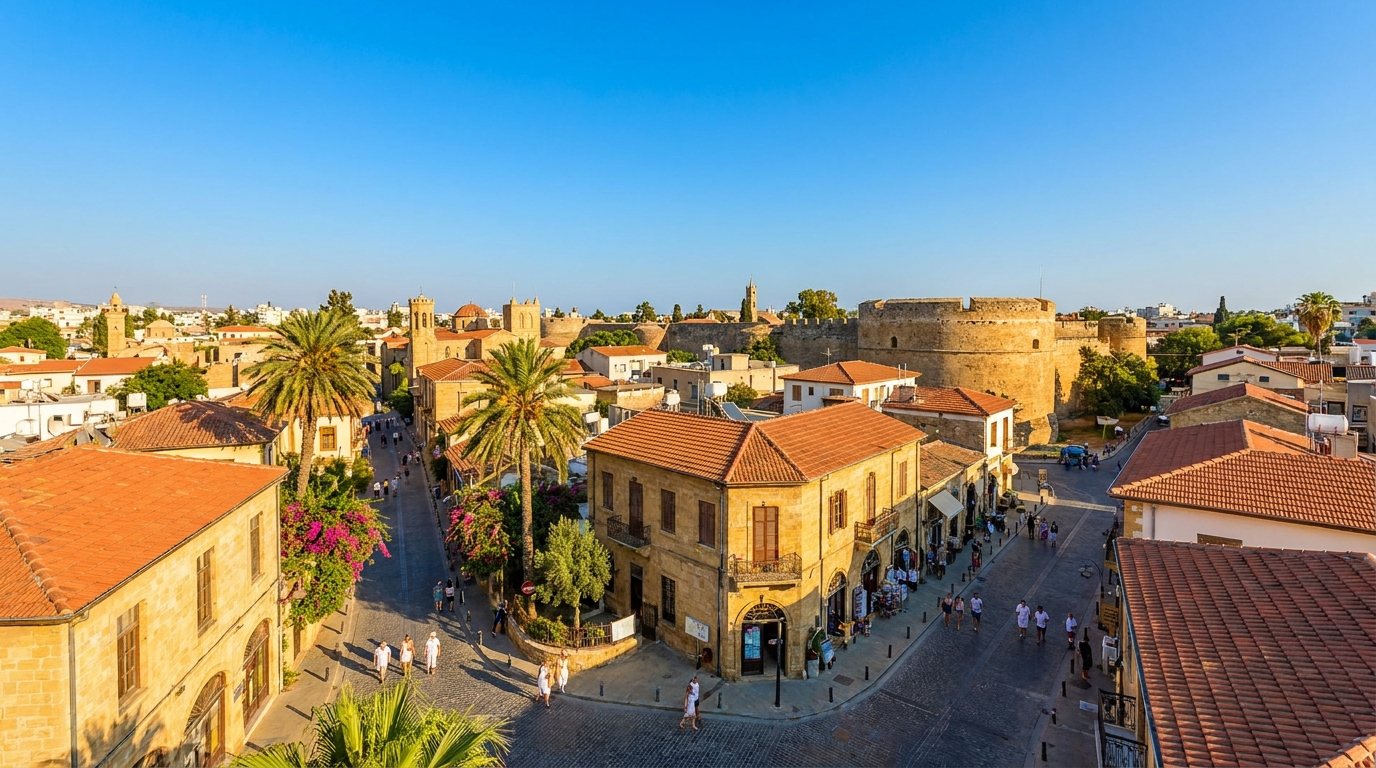
Nicosia
The capital and university heart — the University of Cyprus and major private universities within Venetian walls.
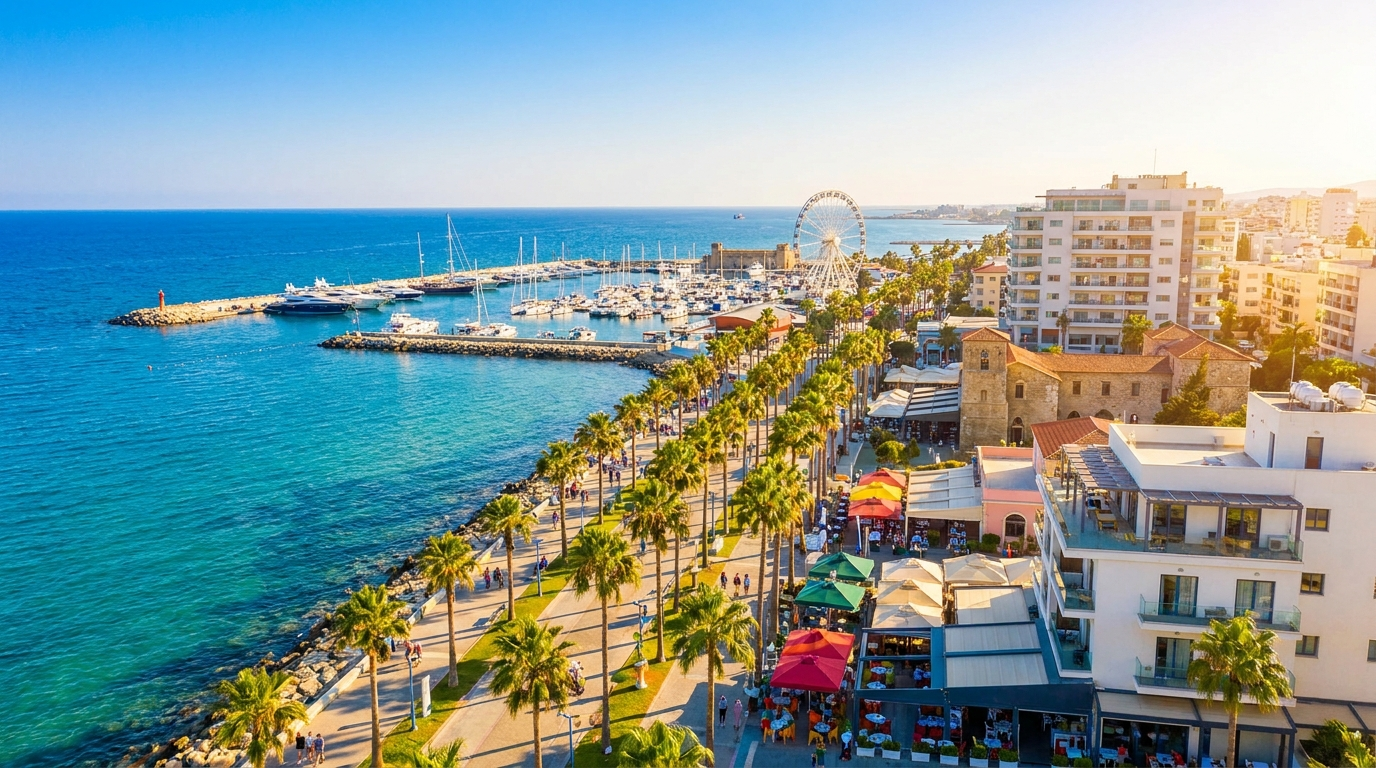
Limassol
A cosmopolitan seaside business hub — shipping, finance, and a lively beachfront student scene.
Larnaca
A relaxed palm-lined coastal city by the main airport — affordable, sunny, and easy to settle into.
The visa,
step by step.
EHEC manages your visa end-to-end. We assemble your document checklist, open and verify your blocked account, arrange tax-compliant financial proofs, book your embassy appointment, and run mock interviews until you walk in confident.
Ask the expertAdmission letter
Secure your place — the basis of the student entry permit / visa.
Proof of funds
Show funds covering tuition and living for the year. We prepare the documentation.
Student visa & permit
Apply via the university and the migration department, then register for a residence permit after arrival.
Stay & work
Graduates can seek work in services, shipping, and tourism, with EU mobility options.
Tuition is €3,500–12,000/year (medicine higher); living runs €700–1,100/month. Generous scholarships are common, especially at private universities.
Cyprus is one of Europe's safest countries, English-friendly, with student healthcare and large, welcoming international communities.
Yes — students may work up to 20 hours/week, with strong roles in tourism, hospitality, and services.
A services, shipping, and tourism economy plus EU access shape outcomes; English works widely, Greek helps locally.
No — English is widely used in teaching and daily life. Greek is a bonus for some local roles; we plan support.