Why Germany.
Germany is the most-chosen study-abroad destination for value-driven students. Public universities charge no tuition — even for international students in most states — while delivering engineering, computer science, and research programmes that rank among the world's best. A growing English-taught catalogue and an 18-month post-study job-seeker visa make it a complete pathway, not just a degree.
Ask the expertTuition-free public study
Most public universities charge no tuition fees, even for international students — only a small semester contribution (€150–350) that includes public-transport passes.
Engineering & CS at the top
TU Munich, RWTH Aachen, and TU Berlin rank among the global best for engineering, computer science, and the applied sciences.
English-taught catalogue
Over 2,300 master's and a growing number of bachelor's programmes are taught fully in English — no German required to start.
18-month job-seeker visa
Graduates get 18 months to find a job in Germany, with a fast track to the EU Blue Card and permanent residency.
Land of Nobel laureates
Germany has produced more than 110 Nobel laureates — Einstein, Planck, Heisenberg, Röntgen — a research heritage you study inside, not just read about.
Search the best
in Germany.
Choose what matters to you. We'll open the university list pre-filtered to exactly that.
 QS #28
Technical University of Munich
Germany's #1 for engineering and computer science; large English-taught MSc catalogue.
Visit universityQS #59LMU Munich
Broad research university — humanities, medicine, sciences; strong English master's track.
Visit universityQS #84Heidelberg University
Germany's oldest university; €1,500/yr only in Baden-Württemberg. Accepts MOI for many programmes.
Visit universityQS #99RWTH Aachen University
Engineering powerhouse with deep industry links (RWTH–Fraunhofer, automotive, mechanical).
Visit universityQS #154TU Berlin
Capital-city tech university; strong in AI, energy, and urban tech. Some no-IELTS pathways.
Visit universityQS #192University of Freiburg
Life sciences, sustainability, and microsystems; gateway to the Black Forest.
Visit universityWhen you can
begin.
The main intake — widest choice of programmes and the most scholarship deadlines.
Smaller intake; fewer programmes but shorter waiting time to begin.
What it really
costs.
Most Bachelor's and Master's programmes at public German universities are tuition-free for all students, including internationals. Use this as a planning guide.
* Most public-university programmes are tuition-free. PhD programmes often come with paid research positions.
Cost of living
Germany sits in the affordable half of Western Europe. Public-university tuition is zero or near-zero, a discounted semester transport pass keeps you moving for little, and student towns like Leipzig, Dresden, and Aachen run noticeably cheaper than Munich or Frankfurt. Budget roughly €850–€1,200 a month outside the priciest cities — health insurance and the blocked-account minimum (€934/mo) included.
Funding that
follows merit.
DAAD Scholarships
Germany's flagship scheme — monthly stipend, travel, and insurance for international master's and PhD students.
Deutschlandstipendium
€300/month merit scholarship co-funded by the government and private sponsors, open to international students.
Erasmus+
EU mobility grants for exchange semesters and joint master's programmes across Europe.
Heinrich Böll Foundation
Stipends for socially and politically engaged students, including internationals, across all disciplines.
Where you'll
live & study.
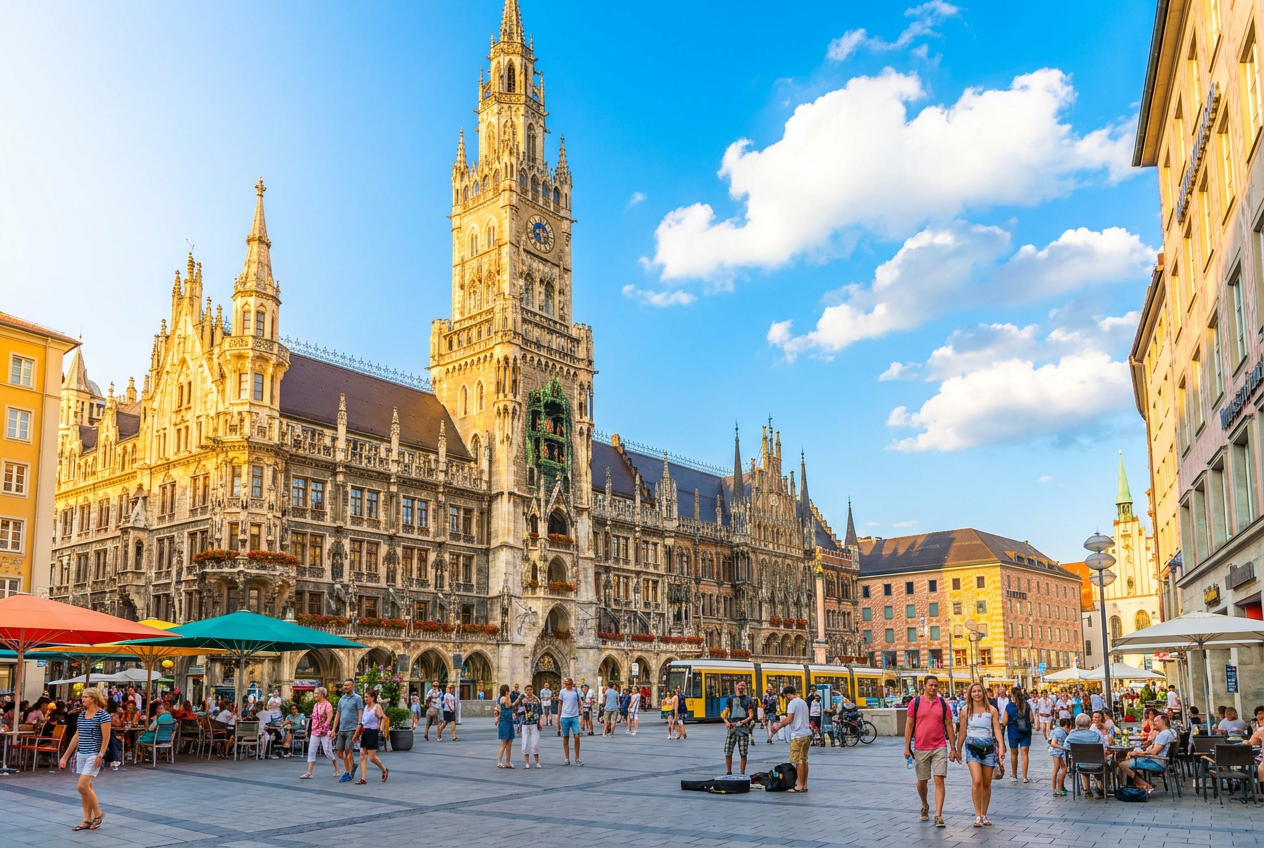
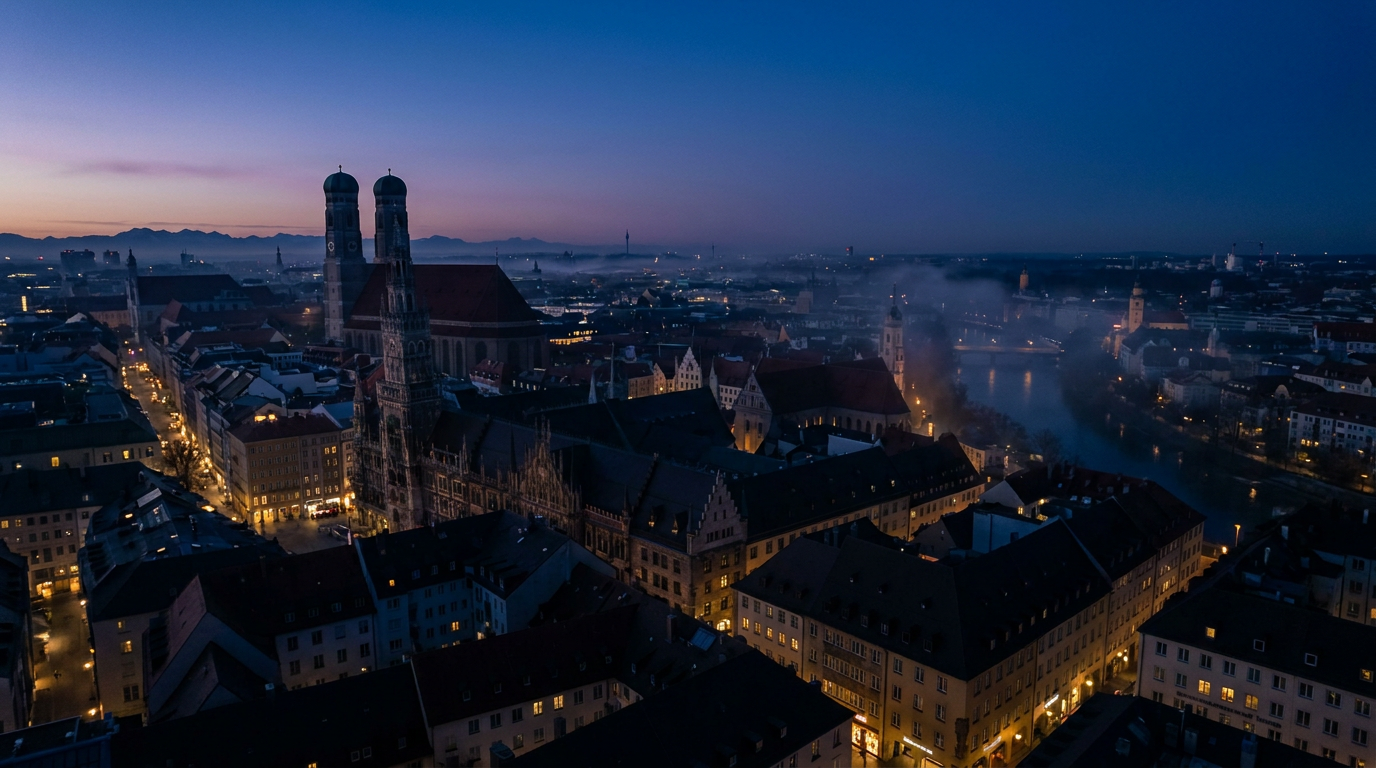
Munich
Bavaria's capital — TU Munich and LMU, BMW and Siemens on the doorstep, Alps an hour away.
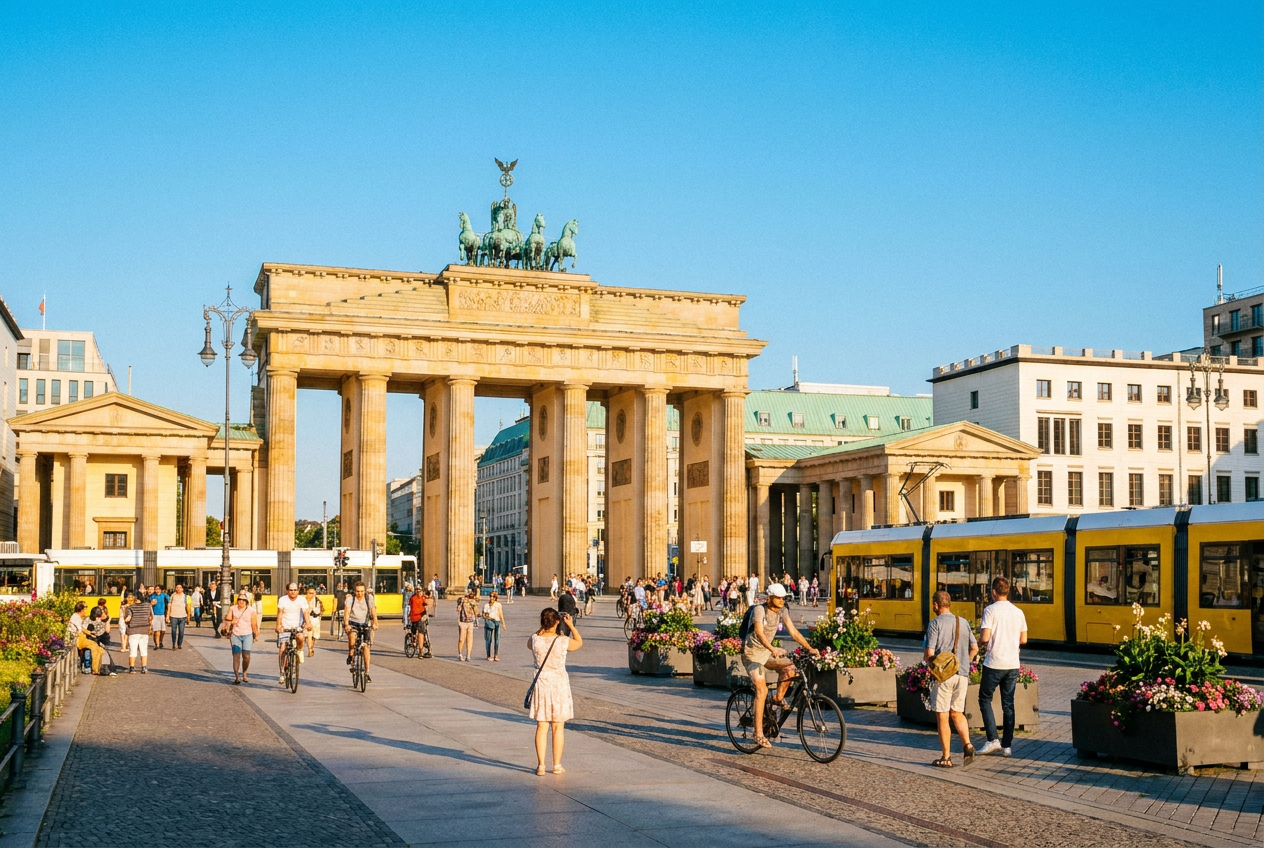
Berlin
The startup capital — TU Berlin, a vast English-speaking scene, and Europe's lowest big-city rents for its size.
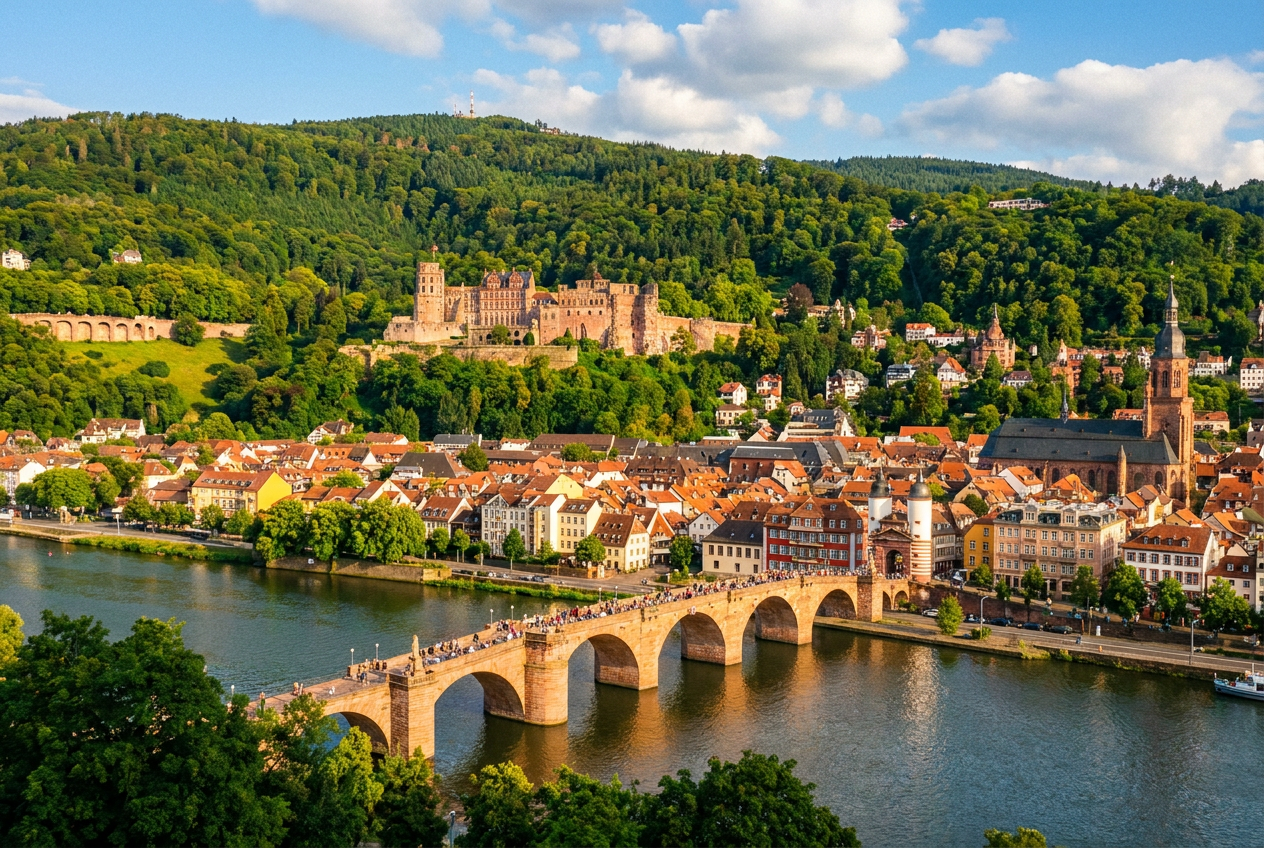
Heidelberg
A storybook university town — Germany's oldest university, riverside old town, research institutes.
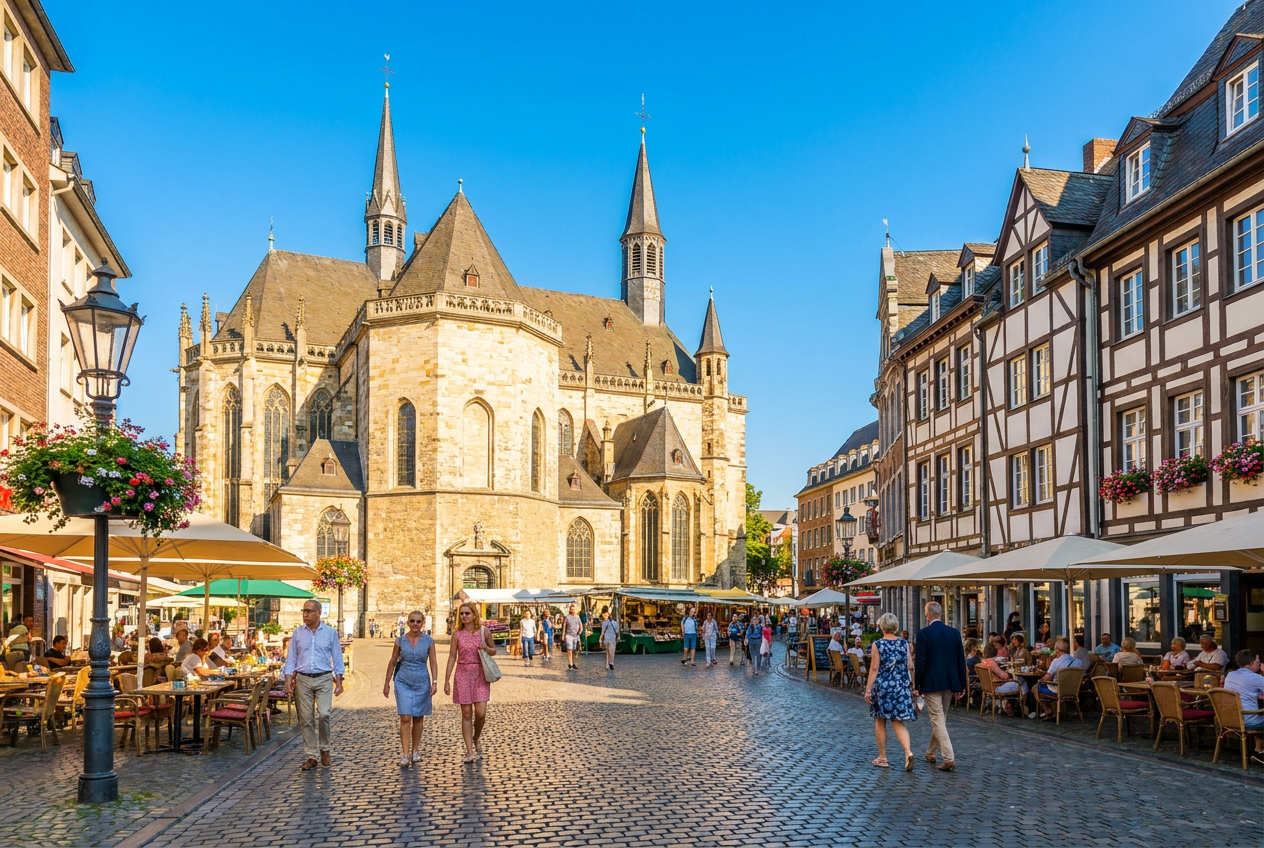
Aachen
Engineering heartland — RWTH Aachen, on the Belgian-Dutch border, deep automotive links.
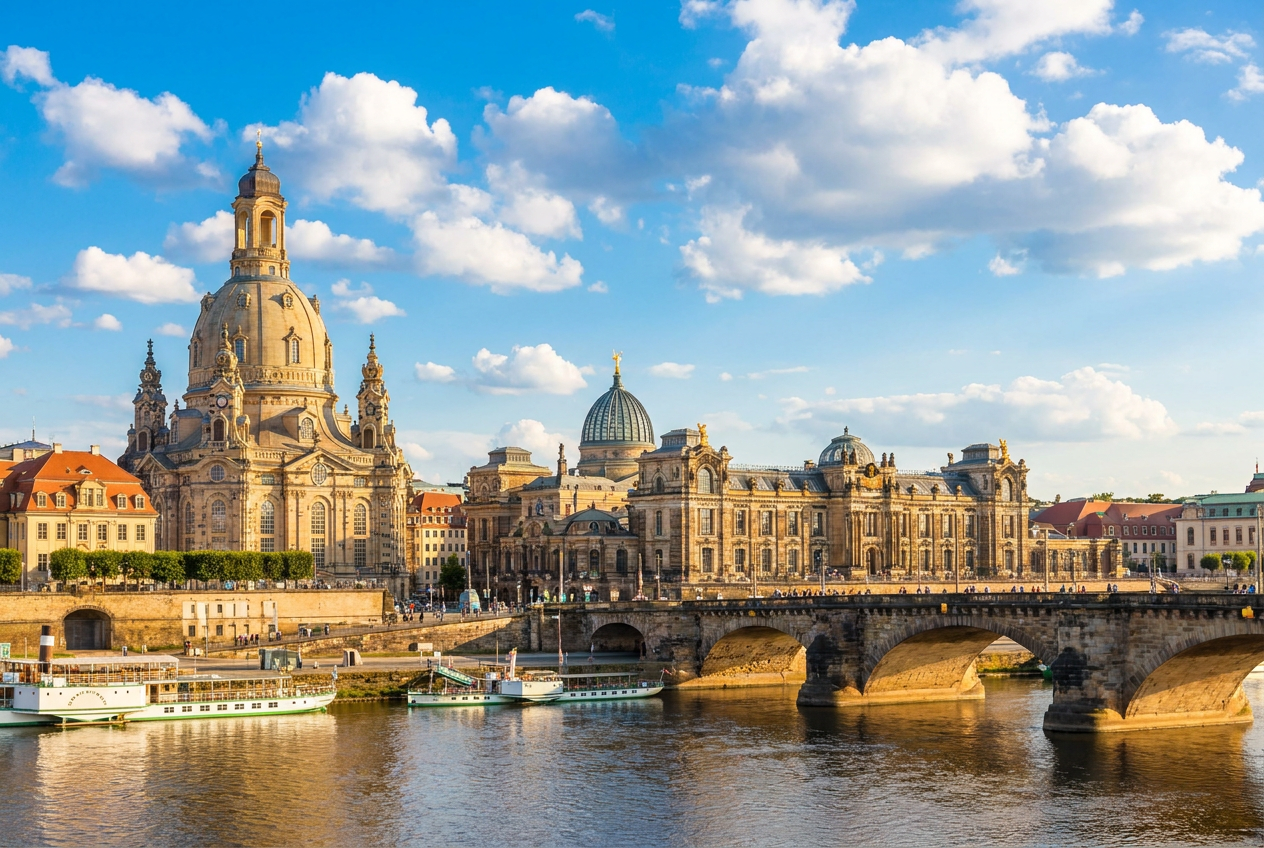
Dresden
Baroque architecture meets microelectronics — TU Dresden and Europe's 'Silicon Saxony'.
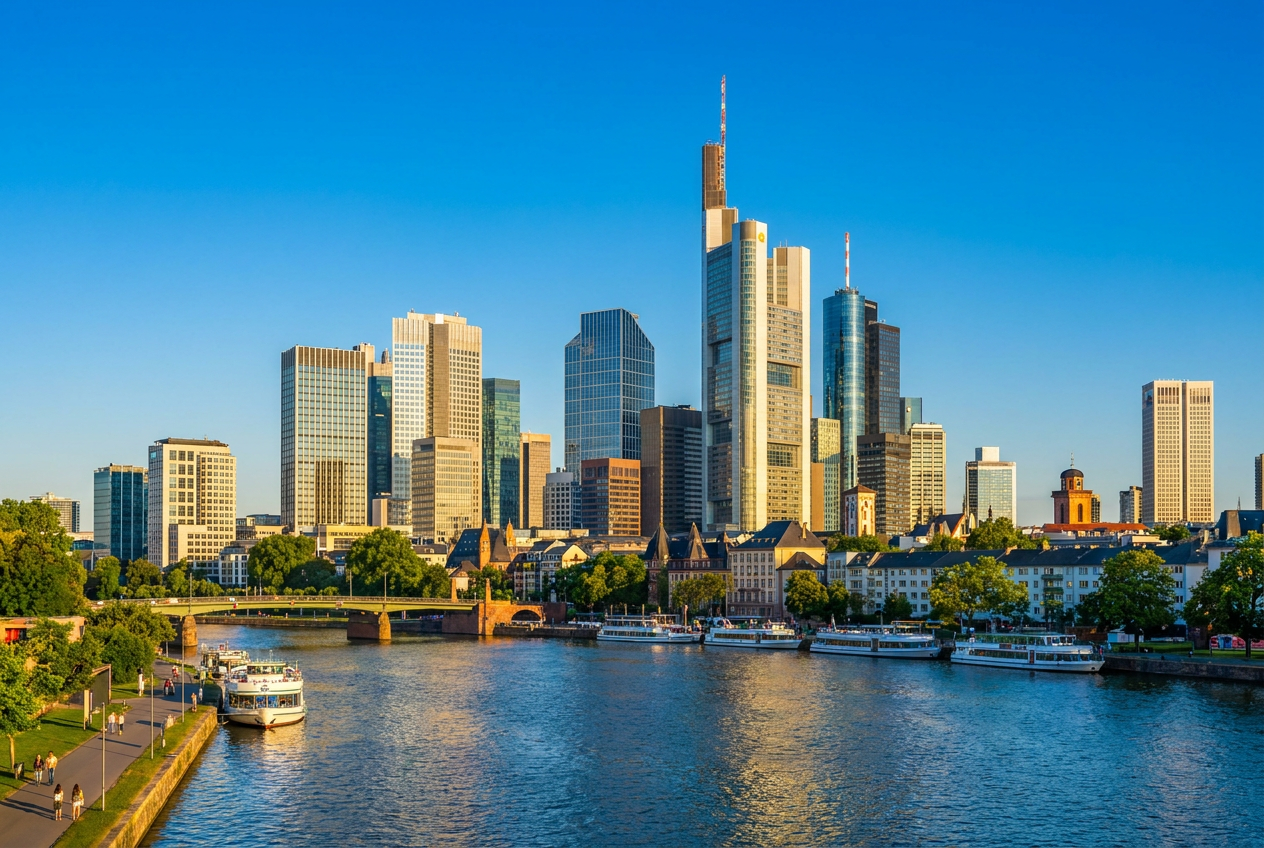
Frankfurt
Finance and aviation hub — the ECB, an international airport, and Germany's banking core.
The visa,
step by step.
EHEC manages your visa end-to-end. We assemble your document checklist, open and verify your blocked account, arrange tax-compliant financial proofs, book your embassy appointment, and run mock interviews until you walk in confident.
Ask the expertAdmission letter
Secure your university admission — the foundation of the student-visa application.
Blocked account
Open a blocked account (Sperrkonto) showing €11,208 for one year of living costs.
Health insurance
Take mandatory student health insurance (public or private equivalent).
Visa appointment
Book and attend your national-visa interview at the German mission, with documents and proofs.
Register & residence permit
After arrival, register your address and convert to a residence permit for the study duration.
Public tuition is €0. Budget €11,200/year for living costs — the amount you must show in a blocked account for the visa. Cities like Leipzig and Dresden are far cheaper than Munich.
Germany ranks among the safest countries in the world, with reliable public transport, universal healthcare (≈€110/month student insurance), and large, supportive international-student communities.
Yes — international students may work 140 full days or 280 half-days per year. Working-student roles in tech and engineering are common and well-paid.
The 18-month job-seeker visa plus Germany's engineering and IT skills shortage mean strong outcomes. Average starting salary for graduates is €45,000–55,000/year.
Not to study an English-taught programme. But basic German (A1–B1) helps daily life and dramatically improves job prospects — we build language prep into the plan.