Why Poland.
Poland has quietly become one of Europe's best-value destinations — affordable tuition, low living costs, and a fast-growing economy and tech scene. English-medium degrees, especially in medicine, engineering, and business, draw international students to historic cities like Kraków and Warsaw.
Ask the expertLow cost, high value
Tuition of €2,000–6,000/year and some of Europe's lowest living costs make Poland exceptional value inside the EU.
English medicine & engineering
English-medium medical, dentistry, and engineering programmes draw students worldwide to Warsaw, Kraków, and Wrocław.
A booming economy
One of the EU's fastest-growing economies and a major tech and outsourcing hub — strong graduate job prospects.
Historic & central
Kraków and Warsaw blend deep history with youthful energy, in the heart of Central Europe and the Schengen zone.
Welcoming & affordable
Large, supportive international communities and a cost of living that lets a modest budget go a long way.
Search the best
in Poland.
Choose what matters to you. We'll open the university list pre-filtered to exactly that.
When you can
begin.
The main intake — all programmes; English medicine closes earlier, so apply early.
A smaller second intake at many universities.
What it really
costs.
Poland is among the EU's most affordable destinations — low tuition and very low living costs. Use this as a planning guide.
* English-medicine programmes sit at the higher end; many PhDs are funded with a stipend.
Cost of living
Warsaw and Kraków are the priciest — and still cheap by EU standards. Łódź, Poznań, and Wrocław are cheaper still. Low rents, cheap food, and inexpensive transport make a modest budget go remarkably far.
Funding that
follows merit.
Where you'll
live & study.
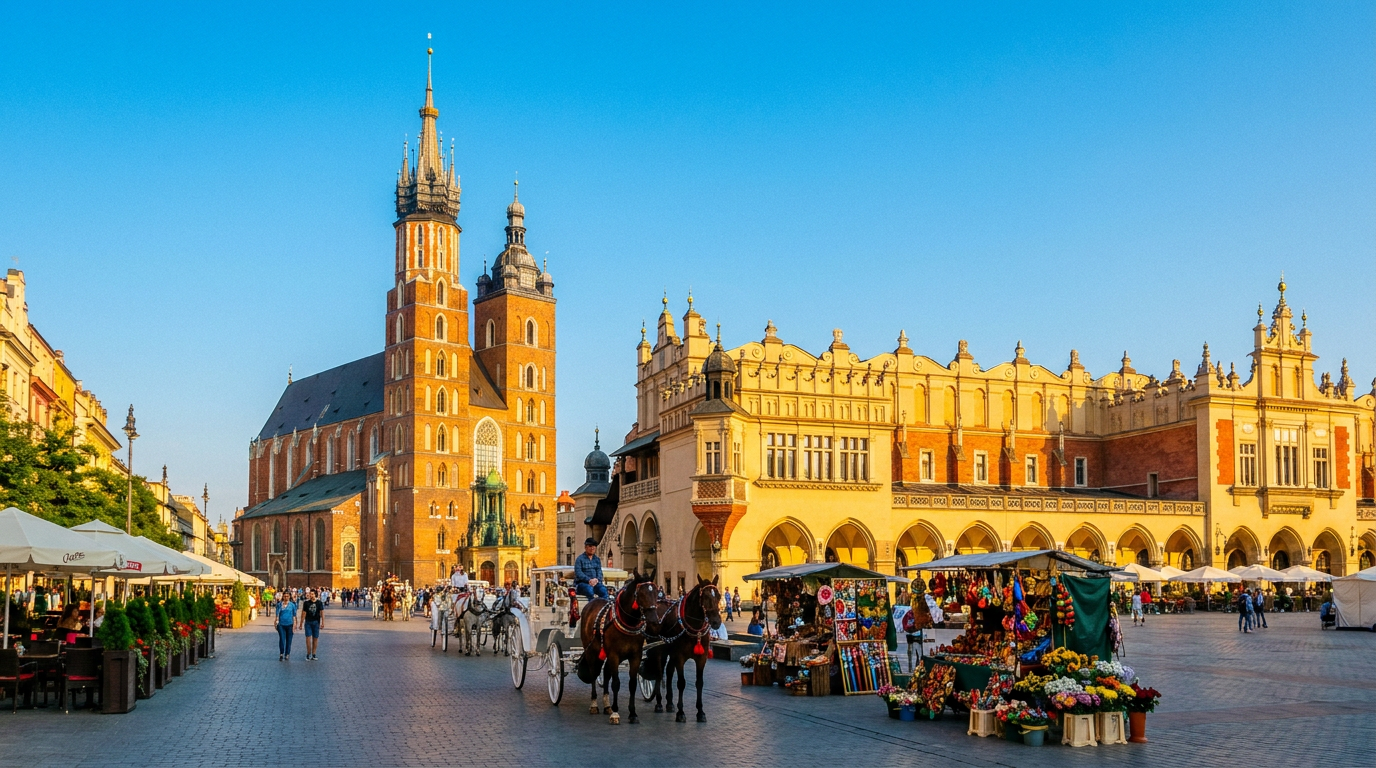
Kraków
The Jagiellonian University (1364) in Poland's cultural capital — a beautiful, affordable, deeply student city.
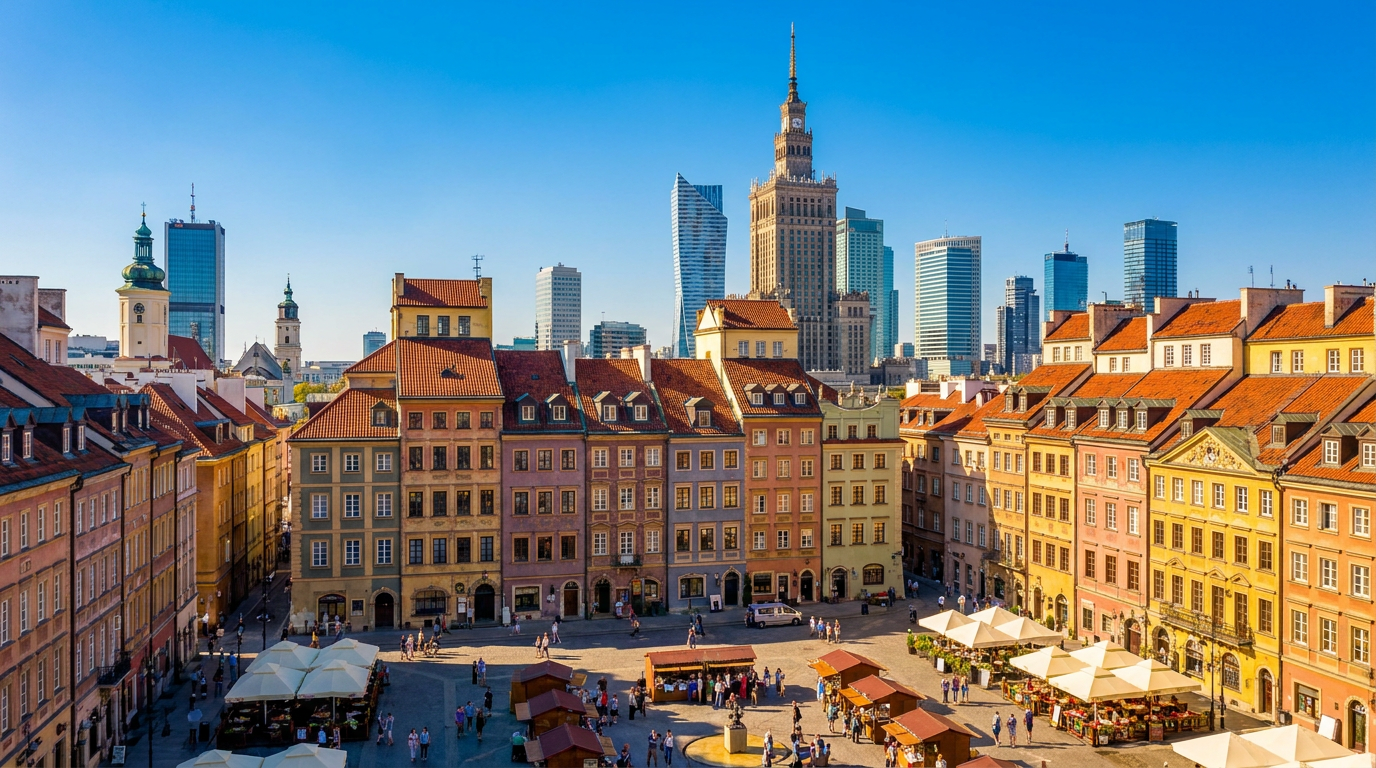
Warsaw
The dynamic capital — University of Warsaw, a booming finance and tech scene, and the most graduate jobs.
Wrocław
A lively riverside city with a big student population and a fast-growing IT and outsourcing sector.
The visa,
step by step.
EHEC manages your visa end-to-end. We assemble your document checklist, open and verify your blocked account, arrange tax-compliant financial proofs, book your embassy appointment, and run mock interviews until you walk in confident.
Ask the expertAdmission letter
Secure your university place — the basis of the national (type D) student visa.
Proof of funds
Show funds covering tuition and living for the year. We prepare the documentation.
Student visa & TRC
Apply at the Polish consulate, then apply for a Temporary Residence Card after arrival for longer stays.
Stay & work
Graduates can seek work in Poland's growing economy, with EU mobility opening further options.
Tuition is €2,000–6,000/year (more for English medicine); living runs €500–800/month — among the lowest in the EU. Scholarships (NAWA) are available.
Polish university cities are safe and welcoming, with student healthcare and growing international communities; English is widely spoken on campus.
Yes — students may work, and the low cost of living means part-time earnings stretch a long way.
Poland's fast-growing tech, finance, and outsourcing sectors plus EU access make outcomes good; Polish helps for many roles.
Not for English-medium programmes — campuses operate in English. Basic Polish helps daily life and local jobs; we plan for it.