Why United States.
The United States offers more top-ranked universities than anywhere on earth, unmatched research funding, and a flexible system where you choose your major after you arrive. STEM graduates get up to three years of work authorisation through OPT — making the US both an academic and a career launchpad.
Ask the expertUnmatched depth
From the Ivy League to top public research universities, the US holds more of the world's top-100 than any other country.
Choose your path later
Liberal-arts flexibility means you can explore before declaring a major — and switch fields without starting over.
Up to 3 years of OPT
Optional Practical Training gives 12 months of work rights — extended to 36 for STEM graduates, a direct route into US industry.
Funding & assistantships
Generous scholarships, teaching and research assistantships, and need-blind aid at some universities cut the headline cost dramatically.
Where innovation lives
Silicon Valley, Wall Street, and the world's leading labs recruit on campus — your classmates become your network.
Search the best
in United States.
Choose what matters to you. We'll open the university list pre-filtered to exactly that.
When you can
begin.
The main intake — every programme, every scholarship. Top universities close December–January.
A smaller second intake; fewer programmes and assistantships available.
What it really
costs.
Sticker prices are high, but aid changes the picture — especially for strong applicants. Use this as a planning guide.
* PhDs are frequently fully funded; assistantships and scholarships cut master's costs substantially.
Cost of living
Coastal cities are expensive, but the Midwest and South run far lower — Austin, Atlanta, and Chicago stretch a budget much further. Health insurance ($1,500–$2,500/year) is mandatory and arranged before you arrive.
Funding that
follows merit.
Where you'll
live & study.
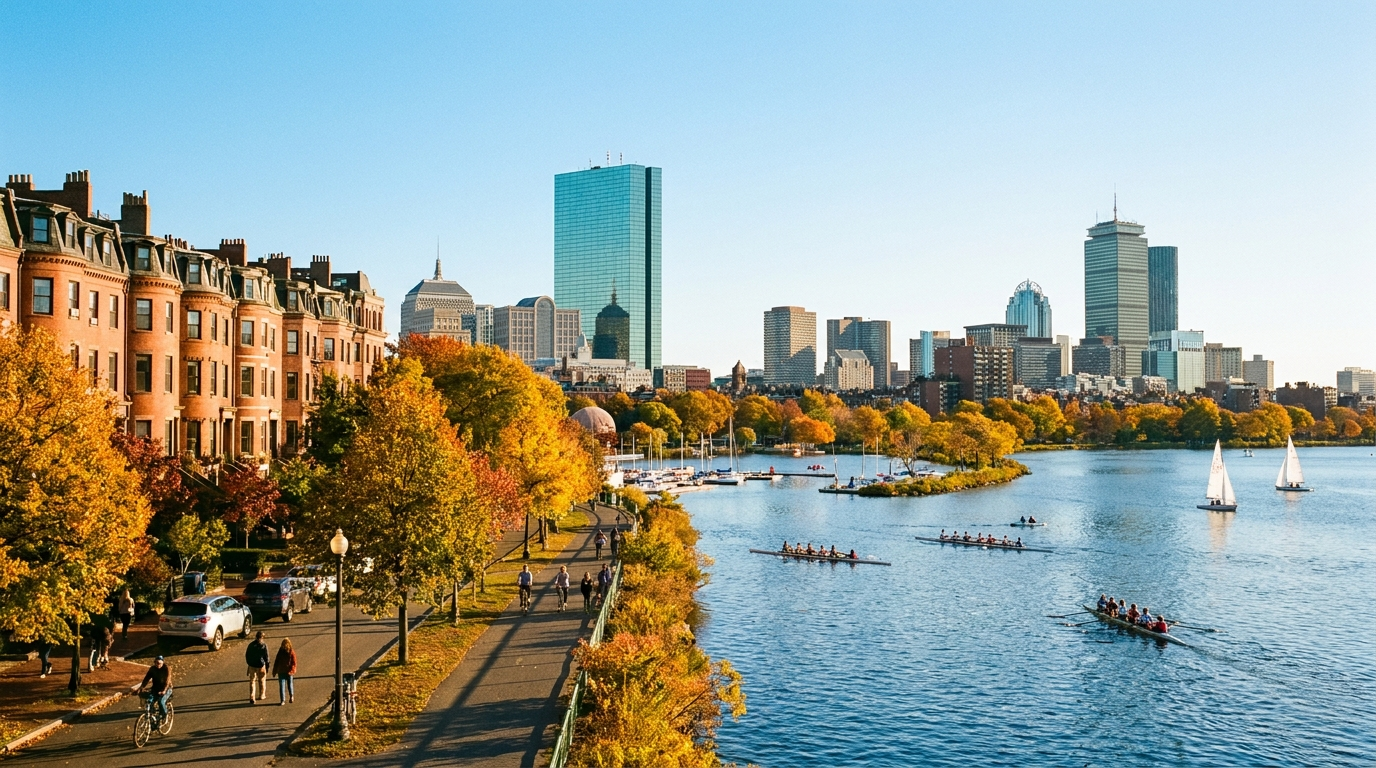
Boston
The ultimate college town — Harvard, MIT, and dozens more across the river, deep in biotech and finance.

New York
Columbia, NYU, and the world's financial and cultural centre — internships in every industry imaginable.
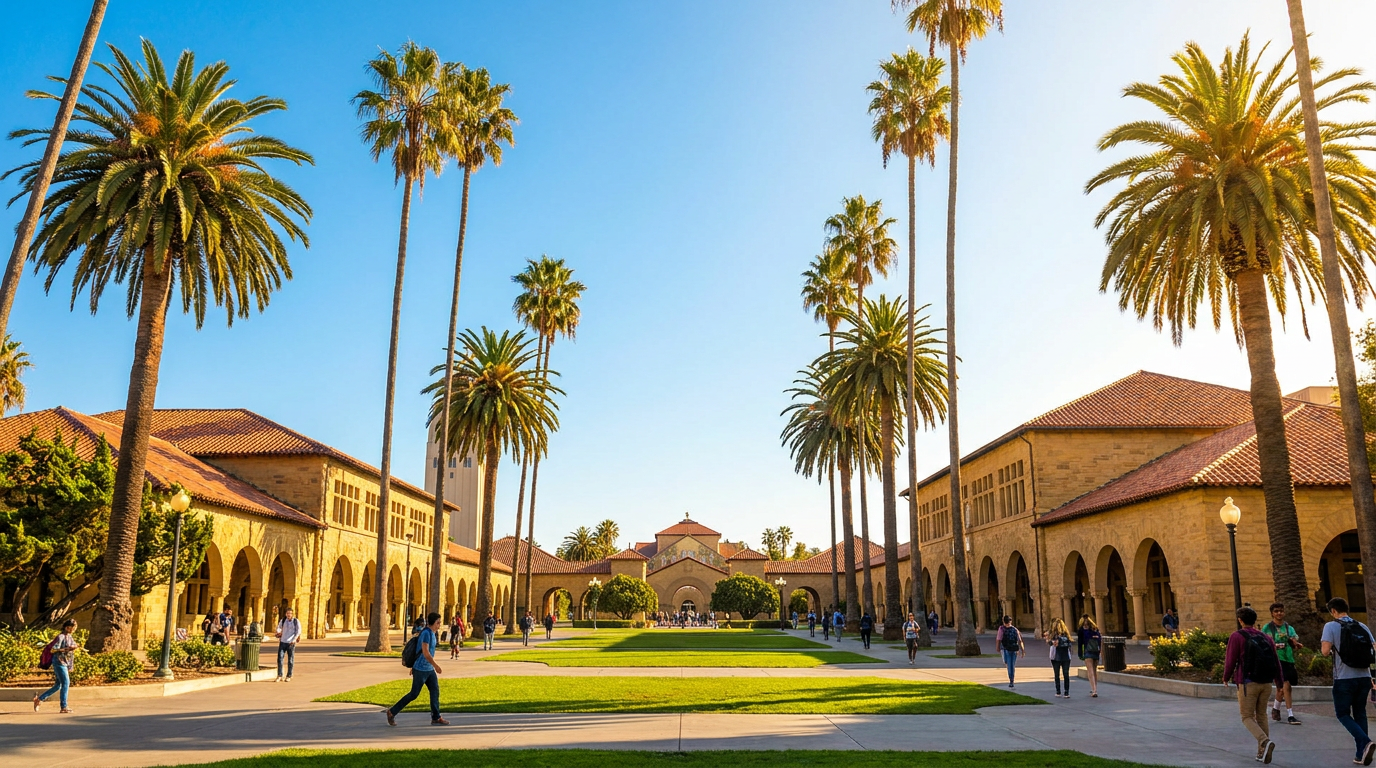
Los Angeles
UCLA, USC, and Caltech nearby — film, tech, and aerospace under year-round California sun.
The visa,
step by step.
EHEC manages your visa end-to-end. We assemble your document checklist, open and verify your blocked account, arrange tax-compliant financial proofs, book your embassy appointment, and run mock interviews until you walk in confident.
Ask the expertI-20 from university
Accept your offer and receive the I-20 form — proof of admission and funding for the F-1 visa.
Pay SEVIS & apply
Pay the SEVIS fee and complete the DS-160. We prepare your financial documentation.
Embassy interview
Attend your F-1 visa interview. We run mock interviews until you walk in confident.
CPT & OPT
Use CPT for internships during study and OPT (12–36 months) for work after graduation.
Sticker tuition is $25,000–$60,000/year, but assistantships, scholarships, and aid often cut it sharply — especially at PhD and master's level. We target the universities most generous to internationals.
US campuses run their own security, housing, and 24/7 support; choosing the right city matters and we advise on it. Health insurance is mandatory and arranged before arrival.
On-campus work is allowed during study; CPT enables internships in your field; OPT gives 12–36 months of post-study work authorisation.
STEM OPT's three years plus the H-1B route make the US a strong career destination, particularly in tech, engineering, finance, and research.
Most universities require TOEFL/IELTS and often the GRE/GMAT (graduate) or SAT (undergraduate). We build a test-prep timeline into the plan.