The cost of studying medicine in Poland for international students in 2026 is one of its biggest attractions: tuition for the six-year English-taught MD runs roughly €11,000–16,000 a year (about ₹9.9–14.4 lakh; $11,900–17,300; £9,350–13,600; AED 44,000–64,000), with living costs of €450–800 a month. The all-in six-year total typically lands around €105,000–160,000 — less than two years of medical school in the US or UK. This guide breaks down tuition by university, living and accommodation costs, the often-forgotten extras, scholarships, and the realistic all-in budget, all in five currencies.
The short answer
For international students, the headline cost of studying medicine in Poland breaks into two parts: tuition of roughly €11,000–16,000 a year and living costs of €450–800 a month. Over the full six-year MD, tuition totals about €66,000–96,000, and once you add living costs and the usual extras (insurance, visa, travel, books), the realistic all-in figure lands around €105,000–160,000. That is the whole picture in one paragraph — and even at the top of the range, it is dramatically cheaper than the US (frequently $250,000–400,000) or the UK. In other words, a complete medical education costs less in Poland than the debt many US graduates carry before they have even finished training.
The exact number depends on three things: which university you choose (fees vary by several thousand euros a year), which city you live in (Warsaw and Kraków cost more than Lublin or Białystok), and your personal lifestyle. The rest of this guide breaks each component down precisely, in all five currencies, so you can build a realistic budget. For the wider context — programmes, recognition and admission — see our complete guide to studying medicine in Poland; here we focus purely on the money.
A useful way to hold the numbers in your head: think of the cost in three layers. The tuition layer (€11,000–16,000/year) is the largest and is set by your university. The living layer (€450–800/month) is set by your city and lifestyle and is largely within your control. And the extras layer (a few thousand euros across the degree) covers the visa, insurance, flights and setup. Add the three together over six years and you have the all-in figure. Almost every question about the cost of studying medicine in Poland comes down to one of these three layers, and the sections below take each in turn so nothing is left out of your plan.
Tuition fees explained
Tuition is the largest single cost, and for the English-taught six-year MD it generally falls between €11,000 and €16,000 per year, depending on the university. Here is that range in all five currencies (approximate).
| Tuition (per year) | EUR | INR | USD | GBP | AED |
|---|---|---|---|---|---|
| English MD, typical range | €11,000–16,000 | ₹9.9L–14.4L | $11,900–17,300 | £9,350–13,600 | AED 44,000–64,000 |
Two important nuances. First, fees are set per university and per academic year, and most universities allow tuition to increase by up to 30% over the six-year course — so budget for rises rather than assuming a flat fee. Some universities also use a year-by-year structure where the final year is cheaper (for example, lower in year six than years one to three). Second, the figure above is for the English programme: EU/EEA students can sometimes study tuition-free at public universities if they study in Polish and pass Polish-language entrance exams, but the English-taught MD carries fees regardless of nationality. Always confirm the current fee directly with the university's admissions office before applying, as these figures move year to year.
Why Poland is so affordable
It is worth understanding why a Polish medical degree costs a fraction of a US or UK one, because it reassures students that the low price does not mean low quality. The main reason is structural: in Poland, as across much of Europe, medicine is a six-year degree entered directly from high school, with public universities operating on a different funding and cost base than private US medical schools. There is no expensive four-year bachelor's to complete first, no US-style debt-driven tuition model, and the overall cost of living and operating in Poland is lower than in Western Europe or North America.
Crucially, affordable does not mean second-rate. Polish medical universities are long-established public institutions with modern teaching hospitals, simulation centres and curricula aligned to EU and US standards, and their degrees are WDOMS-listed and EU-recognised. Students are paying less for an education of genuinely comparable standard — they are simply avoiding the inflated price tag attached to the US system and the bachelor's-plus-MD structure. This is the heart of the value proposition: the cost of studying medicine in Poland is low because of how European medical education is structured, not because of any compromise in the quality of training or the recognition of the degree.
Tuition: what's included & what's not
Knowing exactly what your tuition fee covers prevents budgeting surprises. Generally, the annual tuition fee covers your academic tuition — lectures, seminars, laboratory and practical classes, clinical training and assessments — across that academic year. It is the core cost of your education, and it is what the per-university figures above refer to.
What tuition typically does not cover is everything around the education: accommodation, food and daily living; health insurance; the student visa and residence permit; application and entrance-exam fees; document legalisation and translation; books, a stethoscope and equipment; and flights. Some universities also charge a one-off registration or enrolment fee, and a few levy a separate (sometimes non-refundable) fee for the entrance exam. The practical takeaway is to treat the tuition figure as the starting point of your budget, not the whole of it — the all-in total later in this guide adds these surrounding costs to give the true cost of studying medicine in Poland for international students. Always ask each university for a written, itemised list of what its fee includes.
Tuition by university
Fees vary meaningfully between Poland's medical universities, so the choice of school directly affects your budget. The table shows indicative annual tuition for the English MD at leading universities, in all five currencies (approximate; always confirm with the university).
| University (city) | EUR/yr | INR/yr | USD/yr | GBP/yr | AED/yr |
|---|---|---|---|---|---|
| Medical University of Gdańsk | €10,400 | ₹9.4L | $11,200 | £8,840 | AED 41,600 |
| Nicolaus Copernicus (Bydgoszcz) | €11,500 | ₹10.4L | $12,400 | £9,780 | AED 46,000 |
| Pomeranian (Szczecin) | €12,800 | ₹11.5L | $13,800 | £10,880 | AED 51,200 |
| Medical University of Lublin | €13,000 | ₹11.7L | $14,000 | £11,050 | AED 52,000 |
| Poznań University of Medical Sciences | €14,000 | ₹12.6L | $15,100 | £11,900 | AED 56,000 |
| Medical University of Silesia (Katowice) | €15,000 | ₹13.5L | $16,200 | £12,750 | AED 60,000 |
| Medical University of Warsaw | €15,100 | ₹13.6L | $16,300 | £12,840 | AED 60,400 |
| Jagiellonian University (Kraków) | €16,000 | ₹14.4L | $17,300 | £13,600 | AED 64,000 |
As a rule, Gdańsk and Nicolaus Copernicus sit among the most affordable, while Warsaw and Jagiellonian — the most prestigious and sought-after — sit at the top. The difference between cheapest and priciest is several thousand euros a year, or potentially €20,000–30,000 across the whole degree, so this is a real budgeting lever. That said, fees are only one factor; weigh them against each university's USMLE record (if you are US-bound), NMC compliance (for India), location and admission profile. Our Poland admission guide compares universities on entry requirements, and EHEC can match you to the best value for your goals.
A practical caveat on these figures: they are indicative published rates for recent intakes, and because fees are set annually and can rise over the course, the number you actually pay in year four or five may differ from the year-one figure shown. Treat the table as a guide to the relative cost of universities — which are cheaper, which are dearer — rather than a locked quote. Before committing, always request the current, written fee schedule for all six years from the university's admissions office, including any registration fees and the policy on annual increases. That single step turns an indicative comparison into a firm budget, and it is one EHEC handles for the universities on a student's shortlist.
Cost summary table
Here is the full cost picture at a glance, in all five currencies (approximate). Use it as your planning baseline, then adjust for your chosen university and city.
| Item | EUR | INR | USD | GBP | AED |
|---|---|---|---|---|---|
| Tuition (per year) | €11,000–16,000 | ₹9.9L–14.4L | $11,900–17,300 | £9,350–13,600 | AED 44,000–64,000 |
| Tuition (6-year total) | €66,000–96,000 | ₹59.4L–86.4L | $71,300–103,700 | £56,100–81,600 | AED 264,000–384,000 |
| Living (per month) | €450–800 | ₹40,500–72,000 | $486–864 | £383–680 | AED 1,800–3,200 |
| Living (per year) | €5,400–9,600 | ₹4.86L–8.64L | $5,830–10,370 | £4,590–8,160 | AED 21,600–38,400 |
These figures are the backbone of any Poland budget. The tuition lines come straight from the per-university table above; the living lines are explained in detail next. Together they let you estimate your annual and total outlay before adding the one-off extras covered further down.
Living costs
Living costs are the second pillar of the budget, and Poland remains affordable by EU standards. A medical student typically spends €450–800 a month all-in, with the city making the biggest difference: Warsaw and Kraków sit at the top of that range, while smaller university cities such as Lublin, Białystok, Olsztyn and Katowice run cheaper — often €450–600 a month. Over a year that is roughly €5,400–9,600.
| Living costs | EUR | INR | USD | GBP | AED |
|---|---|---|---|---|---|
| Per month (typical) | €450–800 | ₹40,500–72,000 | $486–864 | £383–680 | AED 1,800–3,200 |
| Per year | €5,400–9,600 | ₹4.86L–8.64L | $5,830–10,370 | £4,590–8,160 | AED 21,600–38,400 |
That budget covers accommodation, food, transport and personal spending. Poland's low everyday costs help: the famous "milk bars" (subsidised cafeterias) serve full meals for just a few euros, weekly groceries from Biedronka or Lidl are inexpensive, and a Polish student ID (legitymacja) gives 50% off public transport. Our student life in Poland guide breaks living costs down line by line — accommodation, food (including Indian options), transport and more.
A sample monthly student budget
To make the living-cost figure concrete, here is a realistic monthly breakdown for a medical student in Poland, in all five currencies (approximate; a mid-range city and lifestyle).
| Item (monthly) | EUR | INR | USD | GBP | AED |
|---|---|---|---|---|---|
| Accommodation (dorm/shared) | €150–350 | ₹13,500–31,500 | $162–378 | £128–298 | AED 600–1,400 |
| Food & groceries | €150–220 | ₹13,500–19,800 | $162–238 | £128–187 | AED 600–880 |
| Transport | €15–30 | ₹1,350–2,700 | $16–32 | £13–26 | AED 60–120 |
| Utilities & internet | €40–70 | ₹3,600–6,300 | $43–76 | £34–60 | AED 160–280 |
| Personal & leisure | €60–130 | ₹5,400–11,700 | $65–140 | £51–111 | AED 240–520 |
| Total | €450–800 | ₹40,500–72,000 | $486–864 | £383–680 | AED 1,800–3,200 |
The single biggest variable is accommodation: a dormitory place near the bottom of its range keeps the whole budget low, while a private flat in central Warsaw or Kraków pushes it toward the top. Food is the next most controllable cost — cooking at home and using the milk bars and university canteens keeps it modest. Transport is cheap everywhere thanks to the student discount. Adjust these lines for your city and lifestyle to build your own figure; this template is the practical backbone of planning the cost of studying medicine in Poland.
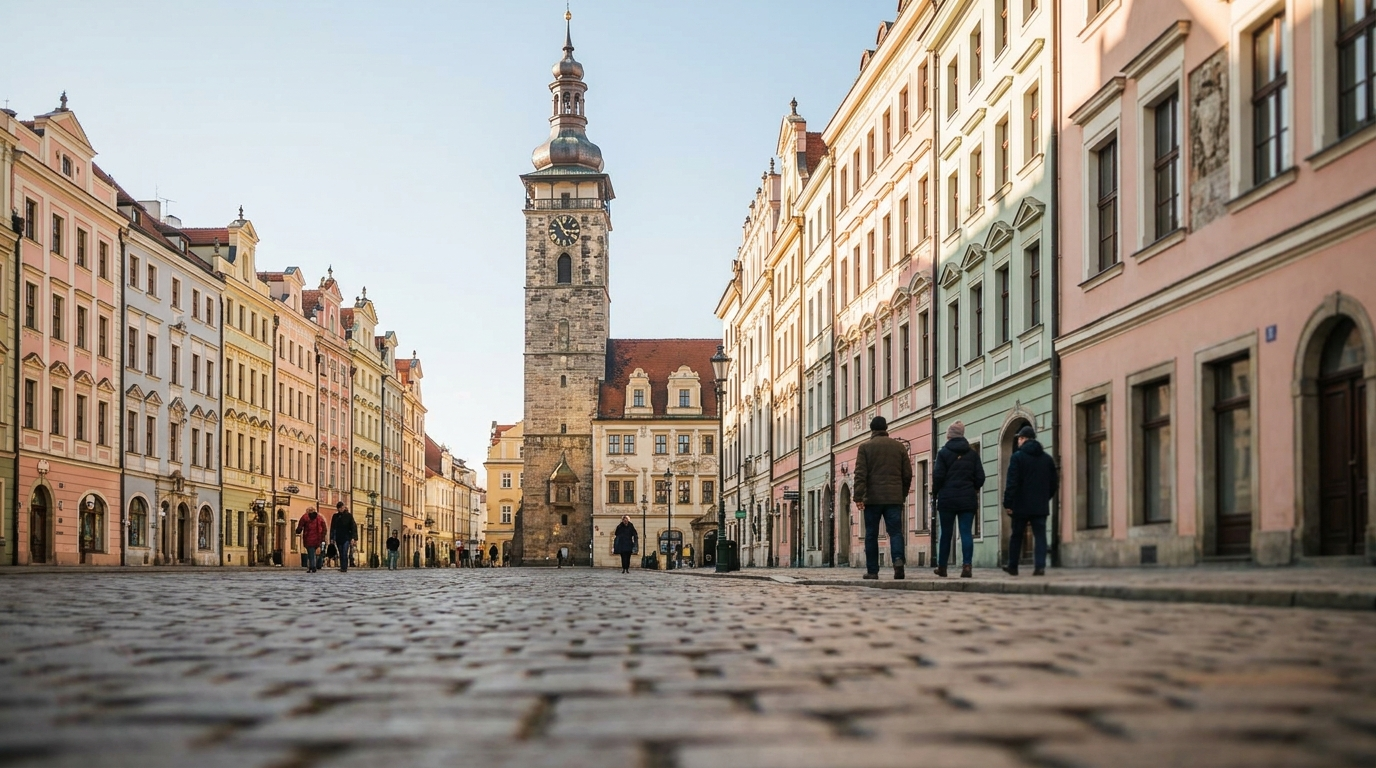
Accommodation costs
Accommodation is usually the largest part of living costs, and you have two main options. University dormitories are the cheapest, typically around €100–250 a month, and they are secure and social — but places are limited and in demand, so apply early. Shared private apartments are the common alternative: a room in a shared flat runs more, with the exact figure depending heavily on the city (Warsaw and Kraków cost noticeably more than Lublin or Bydgoszcz).
The practical advice is to secure a dormitory for your first year if you can, then move into a shared flat with classmates once you know the city. Budget for a deposit (usually one to two months' rent) and check whether utilities are included, since winter heating adds up. As with anywhere, use your university or verified channels to find housing and avoid prices inflated for foreigners. Getting accommodation right is the single easiest way to control the overall cost of studying medicine in Poland, since it is both your biggest recurring expense and the one you have most control over. Our Warsaw student life guide covers dorms versus flats in detail.
It is worth quantifying the choice, because it compounds. A dormitory at the low end might cost €100–150 a month while a private flat in central Warsaw could run several times that; over a six-year degree, that difference alone can amount to €15,000–25,000 — comparable to a year or two of tuition. Sharing a flat with two or three classmates splits both rent and utilities and is the sweet spot many students settle into after first year: cheaper than living alone, more independent than a dorm, and a built-in social circle. Whichever you choose, location matters too — living a little outside the centre, near a tram or bus line, is usually cheaper than the centre while keeping the commute short. These accommodation decisions, more than any other living-cost choice, determine where your budget lands.
Other costs to budget
Beyond tuition and living, a realistic budget includes several one-off and annual extras that students often forget:
- Application & entrance-exam fees: typically a modest fee per application; some programmes charge a separate (sometimes non-refundable) entrance-exam or registration fee.
- Health insurance: mandatory and required for your visa — inexpensive but annual.
- Student visa & residence permit: application fees plus the residence card for non-EU students.
- Document legalisation & translation: apostille/legalisation and certified translation of your school certificate and transcripts.
- Flights: initial travel plus trips home over six years.
- Books, equipment & a laptop: medical textbooks, a stethoscope and basic kit.
- One-off setup: a deposit on accommodation and winter clothing for the cold Polish winters.
None of these is large individually, but together they typically add a few thousand euros across the degree, front-loaded in year one. Building them into your plan from the start avoids unwelcome surprises and gives a true picture of the cost of studying medicine in Poland for international students.
It is worth flagging which of these hit hardest in year one, because that first year is always the most expensive. Before you even arrive you may pay document legalisation and translation, an application or registration fee, your first flight, and the upfront visa and insurance costs; on arrival come the accommodation deposit, initial setup (bedding, winter clothing, a laptop if needed) and your first tuition instalment. Spreading awareness of this front-loading prevents the common shock of a costly first few months. From year two onward the picture settles into the steadier rhythm of tuition plus living costs, with only insurance renewals and occasional flights as recurring extras — which is why a slightly larger year-one buffer is one of the smartest moves in budgeting for Poland.
The all-in 6-year total
Putting it all together gives the figure that matters most: the complete cost of qualifying as a doctor through Poland. Combining six years of tuition (€66,000–96,000), six years of living costs (≈ €32,000–58,000) and the extras (≈ €5,000–8,000) produces a realistic all-in range, shown here in all five currencies.
| All-in 6-year total | EUR | INR | USD | GBP | AED |
|---|---|---|---|---|---|
| Tuition + living + extras | €105,000–160,000 | ₹94.5L–1.44cr | $113,400–172,800 | £89,250–136,000 | AED 420,000–640,000 |
Where you land within that range depends on your university (the biggest tuition variable), your city and your lifestyle: a budget-conscious student at an affordable university in a smaller city, living in a dormitory and cooking at home, sits near the bottom; a student at a top-tier Warsaw or Kraków university in private accommodation sits near the top. Either way, the all-in cost is a fraction of a US medical education and competitive with — often well below — a private MBBS in India. It is this total, not the headline tuition alone, that you should plan and fund.
To make the range tangible: a careful student at, say, Gdańsk or Nicolaus Copernicus, living in a dorm and cooking at home, might complete the whole degree near €105,000–120,000; a student at Warsaw or Jagiellonian in a central private flat, eating out more and travelling, might approach €150,000–160,000. Both are entirely reasonable choices — the point is that you have a €40,000–50,000 band of control through the decisions you make. Knowing this upfront lets you target a total that fits your funding rather than discovering the cost piecemeal, and it is why building the all-in figure early is the most important single step in planning the cost of studying medicine in Poland.
Paying your fees: instalments & methods
How you pay matters for cash flow, and Polish universities are generally flexible. Tuition is usually billed annually or per semester, and many universities allow payment in instalments rather than a single lump sum, which eases the burden of each year's fee. Payment is typically by international bank transfer, so budget for transfer fees and watch exchange rates, since paying in euros from a rupee, pound or dirham account exposes you to currency movement — timing transfers well, or holding a euro account, can save meaningful sums over six years.
A few practical points: some universities offer a small discount for paying a full year upfront, while others charge a registration or enrolment fee on acceptance; confirm the schedule and methods in writing before you commit. Keep records of every payment, and factor the first year's costs — which front-load the visa, deposit, flights and setup expenses on top of tuition — as your heaviest. Planning the payment rhythm, not just the total, is part of managing the cost of studying medicine in Poland smoothly, and it is something EHEC helps families map alongside the overall budget. A well-planned payment schedule, matched to when your funding or loan disbursements arrive, prevents the cash-flow gaps that occasionally trip up students even when their overall budget is sound.
Cost for US students specifically
For American students, the cost comparison is stark and is one of Poland's strongest draws. A US medical education routinely costs $250,000–400,000 all-in once a four-year bachelor's and four-year MD are combined with living costs and debt; a full six-year Polish MD, by contrast, totals roughly $113,000–173,000 all-in — often less than half, and reached two years sooner thanks to direct entry. With Polish curricula geared toward the USMLE, US-bound students get this saving without sacrificing their route home.
One honest funding note for Americans: most European medical schools, Poland included, are generally not eligible for US federal student loans (Title IV), so US students typically fund their studies through savings, family support or private loans rather than federal aid. The counterweight is that the far lower total makes this manageable — a sum financed privately in Poland is a fraction of the federally financed debt of a US MD. Budget also for the ECFMG/USMLE process (several thousand dollars) on top of tuition. Our guide for US students studying medicine abroad covers the funding picture and the ECFMG/USMLE return path in full.
For a US student doing the maths, the comparison that matters is lifetime debt. A graduate of a US MD programme frequently begins residency owing $250,000–400,000; a graduate of a Polish programme, having paid perhaps $113,000–173,000 all-in (often part-financed and part-saved), typically starts with far less — and two years earlier, since direct entry skips the bachelor's. Even accounting for the lack of federal loans and the self-funded ECFMG/USMLE costs, the total financial position of a Poland graduate is usually markedly stronger. For Americans weighing the cost of studying medicine in Poland against staying home, that debt differential — compounded over the early years of a career — is often the single most persuasive number.
Cost for Indian students specifically
For Indian students and families, the cost of studying medicine in Poland is best understood against a private MBBS in India, which often runs ₹60 lakh to ₹1.5 crore. Poland's all-in six-year cost of roughly ₹94.5 lakh to ₹1.44 crore is competitive with that — and, critically, buys an EU-recognised degree with a strong US pathway rather than a domestic private seat. Tuition of about ₹9.9–14.4 lakh a year, plus living costs of ₹40,500–72,000 a month, are the figures to plan around.
Indian students should remember the India-specific extras: NEET is a prerequisite, and after graduation you face the FMGE/NExT and registration costs, which sit on top of the study budget. Education loans are widely used and well suited to Poland's modest tuition, and an NMC-compliant, WDOMS-listed university supports a loan application. The key is to budget the full six years plus these licensing costs, not just year-one tuition. Our Poland practising guide covers the FMGE/NExT, and the study MBBS abroad hub sets Poland against other destinations for Indian students.
There is also a value argument specific to Indian families. A private MBBS seat in India can cost as much as, or more than, the all-in Poland figure — but it delivers a domestic degree without the EU recognition, US-geared curriculum or European mobility that Poland adds. For families comparing a costly private Indian seat against Poland, the question is not just "which is cheaper" but "which offers more for the money" — and on that measure Poland frequently wins, provided NEET and NMC compliance are handled correctly from the outset. Government Indian seats remain the cheapest option of all, of course, but for the large number of NEET-qualified students who do not secure one, Poland is a financially sensible and globally portable alternative.
How Poland compares (US, UK, India)
Context makes Poland's value clear. In the United States, medical school tuition alone frequently exceeds $60,000 a year, and the all-in cost of an MD commonly reaches $250,000–400,000 once undergraduate debt is included — meaning a full six-year Polish degree can cost less than two years of US medical school. In the UK, international medical tuition can run around £40,000 a year, again far above Poland. Against a private MBBS in India (often ₹60 lakh to ₹1.5 crore), Poland is competitive while adding an EU degree and a strong US pathway.
The table below sets the headline comparison side by side (approximate annual tuition only, to illustrate the gap).
| Destination | Annual tuition (approx.) | Notes |
|---|---|---|
| Poland (English MD) | €11,000–16,000 ($11,900–17,300) | EU degree, direct entry, strong USMLE path |
| USA (private MD) | $60,000+ | Bachelor's required first; ~$250k–400k all-in |
| UK (international) | ≈ £40,000 ($50,000+) | Among the most expensive routes |
| India (private MBBS) | varies; ₹60L–1.5cr total | Domestic degree; no EU recognition |
The comparison is not only about tuition but about value: for its cost, Poland delivers an EU-recognised MD, automatic European mobility, a curriculum geared toward the USMLE, and direct entry that saves the time and expense of a US-style bachelor's. Few destinations offer that combination at this price. For US-bound students in particular, the maths is compelling — our guide for US students studying medicine abroad sets out the savings and the ECFMG/USMLE route in detail. The cost of studying medicine in Poland is, in short, one of its strongest selling points.
Cost vs the Caribbean
For US-bound students weighing international options, the Caribbean is the traditional alternative, and on cost Poland generally compares favourably. Caribbean medical schools often carry tuition comparable to — and sometimes higher than — Polish fees, and because they follow a US-style model you typically need a bachelor's first (adding four years and the cost of undergraduate study), whereas Poland's direct entry from high school removes that. The Caribbean's advantages are US clinical rotations and, at some schools, US federal-loan eligibility; Poland's are lower overall cost, direct entry and full EU recognition.
So the cost calculus comes down to priorities. If US federal loans and US-based rotations are decisive for you, a Title-IV-eligible Caribbean school may justify its price; if you want the lowest total outlay, to skip the bachelor's, and to keep EU options open, Poland is usually the more economical route to the same USMLE pathway. Either way, both are far cheaper than a US MD. Our US-student guide compares the Europe and Caribbean routes in full, including the funding differences that often decide it.
Hidden costs & avoiding surprises
The costs that catch students out are rarely the obvious ones — tuition and rent are easy to anticipate. The surprises tend to be the smaller, scattered expenses: the up-to-30% tuition rise over six years that turns a comfortable budget tight by year five; currency movement on international transfers; the year-one pile-up of visa, deposit, flights, legalisation and setup costs; mandatory health insurance renewals; and the eventual licensing-exam fees (the USMLE, FMGE/NExT or PLAB) that arrive just as you graduate. None is huge alone, but unplanned they add stress at the worst moments.
The defence is simple: build a budget for the full six years from real figures, include a contingency buffer, and front-load your year-one planning. Confirm in writing what each university's fee includes and how it may rise, and set aside the licensing-exam costs from the start rather than scrambling for them at the end. Students who plan the whole arc — not just the first tuition invoice — find the cost of studying medicine in Poland predictable and manageable. This is exactly the kind of full-picture budgeting EHEC builds with families, so the only surprises are pleasant ones.
Scholarships & financial aid
Several funding routes can reduce the cost further. Poland's NAWA (the Polish National Agency for Academic Exchange) runs scholarship programmes for international students, including schemes aimed at students from developing countries. Erasmus+ supports exchange students, the Visegrad Fund assists students from Central European countries, and many universities offer their own merit-based tuition discounts of 10–30% for strong applicants. EU/EEA students benefit from lighter formalities and, where they study in Polish, potentially tuition-free public places.
Medical scholarships are competitive, so treat them as a welcome reduction rather than a guaranteed funding source. The practical advice is to apply for every award you are eligible for, ask each university directly about merit discounts and early-payment or instalment options, and check eligibility for national schemes from your home country too. Even modest awards reduce a six-year total. Our Poland pillar guide and EHEC's counsellors can point you to the scholarships most relevant to your profile and target university.
It is worth being realistic about scale: medical scholarships rarely cover the whole cost, and full-ride awards for international medical students are uncommon anywhere. What is achievable is a meaningful reduction — a 10–30% merit discount on tuition, for instance, can save tens of thousands of euros across six years, and a national scholarship can offset living costs. The students who benefit most are those who apply early, present strong academic records, and pursue several avenues at once rather than relying on a single award. Combine a merit discount with the cost-cutting choices later in this guide, and the effective cost of studying medicine in Poland can drop appreciably below the headline figure.
Education loans
For many families, especially in India, an education loan funds a medical degree abroad, and Poland is well suited to this. Indian banks and NBFCs commonly finance studies at NMC-compliant, WDOMS-listed foreign universities, and a clear admission letter, the university's recognition status and a realistic cost estimate all support a loan application. Because Poland's tuition is modest by international standards, the loan amount needed is smaller than for the US or UK — which keeps repayments more manageable after graduation.
The practical steps are to obtain your admission letter, prepare a documented cost estimate (this guide's figures help), and approach lenders experienced with overseas education loans; secured loans typically offer better terms than unsecured. Budget for the full six years plus the eventual licensing-exam costs (the USMLE, FMGE/NExT or PLAB), not just year one. Whatever the funding source, the comparatively low cost of studying medicine in Poland for international students means the financial burden is far lighter than the headline figure for US or UK medicine — one of the most practical reasons families choose it.
A few loan-specific pointers help families plan. Lenders usually want to see the university's recognition status (WDOMS listing and, for India, NMC compliance), the admission letter and a clear breakdown of tuition and living costs — exactly the documents EHEC helps assemble. Interest typically accrues during the study period, so understand whether you pay interest-only during the course or defer entirely until after graduation, as this shapes your repayment burden. Because Poland's tuition is modest, many families borrow only part of the cost and self-fund the rest, reducing interest. And always factor the post-graduation licensing costs into the loan amount or your savings, so you are not left short at the exact moment you need to sit the USMLE, FMGE/NExT or PLAB.
Ways to cut costs
Several simple choices meaningfully reduce your spend. The biggest levers:
- Choose an affordable university and city. Picking a lower-fee university in a smaller city (Lublin, Bydgoszcz, Białystok) over Warsaw or Kraków can save thousands a year in both tuition and living costs.
- Live in a dormitory. University dorms (€100–250/month) save €100–300 a month versus private accommodation.
- Eat at milk bars and cook at home. Subsidised cafeterias and cheap supermarkets keep food costs low.
- Use the student ID (legitymacja) and ISIC. 50% off public transport plus widespread student discounts.
- Apply for every scholarship. Even small merit awards reduce the total.
- Pay attention to fee structures. Some universities' final-year fees are lower; factor the real six-year total, not just year one.
Stacked together, these choices can shift your all-in total toward the bottom of the range. None requires sacrificing the quality of your education — they are simply smart budgeting, and they are exactly the kind of practical planning EHEC helps students with.
To put rough numbers on it: choosing a lower-fee university over a top-tier one can save €3,000–5,000 a year on tuition; living in a smaller city rather than Warsaw or Kraków can save €150–300 a month; a dormitory over a private flat saves another €100–300 a month; and a merit discount can trim 10–30% off tuition. No single lever is dramatic, but pulled together across six years they can move your all-in total by tens of thousands of euros — comfortably the difference between the top and bottom of the range quoted earlier. The students who finish their degree at the lower end are rarely those who got a special deal; they are the ones who made a series of sensible, deliberate choices from the start.
Is it worth the cost?
Cost is only half the equation; value is the other half. For what you pay, a Polish medical degree delivers an EU-recognised MD, automatic recognition across the EU/EEA, a curriculum aligned with the USMLE and US residency, direct entry from high school (saving the time and cost of a bachelor's), and worldwide recognition via WDOMS. Set against tuition that is a fraction of US or UK prices, that is strong value — arguably among the best price-to-recognition ratios in European medical education.
The honest counterweight is that the cost, while low internationally, is still a significant six-year commitment, and you must budget for the eventual licensing exams on top. But weighed against the alternative — a US MD with $300,000 of debt, or being shut out of a capped home system entirely — the cost of studying medicine in Poland looks like a genuine bargain for the career it leads to. For most students who do their planning, the answer is yes: the value comfortably justifies the cost. Our pillar guide covers the full picture of recognition and outcomes.
One way to frame the value is per-outcome rather than per-year. The end product is the same as any medical degree: a licensed doctor, eligible to practise across the EU and to pursue the USMLE, PLAB or FMGE/NExT for the US, UK or India. The question is simply how much you pay to reach that outcome — and Poland reaches it for a fraction of the US price, two years faster than the US route, with an EU passport to a continent's worth of health systems attached. Measured against the lifetime earnings and security of a medical career, even the top of Poland's cost range is a modest investment. That favourable ratio of cost to career outcome is, ultimately, why so many international students conclude that studying medicine in Poland is well worth the money.
Cost vs other European destinations
Poland is one of several affordable European options, and it helps to see where it sits on price. Against fellow EU destinations, Poland's tuition is broadly comparable to Slovakia and typically a little above Romania, while all three deliver the same core EU advantages. Against non-EU Georgia, which is the cheapest of the group (tuition from around $4,000–8,000 a year), Poland costs more but adds full EU recognition and a stronger US/USMLE orientation.
The right choice on cost grounds depends on your destination: if you want the lowest possible price and your future is in India, the US or the Gulf, Georgia competes hard; if you value EU mobility and a US-geared curriculum, Poland's higher fee buys real advantages. Our three-way comparison and the study medicine in English in Europe hub weigh these options side by side, and the study MBBS abroad hub sets Poland against destinations worldwide. The cost of studying medicine in Poland is competitive within Europe and excellent against the US, UK or India.
A note of caution on cost-only comparisons: tuition differences of a few thousand euros a year matter, but they should not be the sole deciding factor. A slightly cheaper university or country that is a poor fit for your target destination — weaker on USMLE support if you are US-bound, or less established for your home country's licensing — can cost you far more in lost time or a harder licensing path than you saved on fees. The smarter approach is to shortlist on recognition, target-country fit and quality first, then use cost to choose between strong options. Within that frame, Poland's pricing is highly competitive, and its EU-plus-USMLE profile often justifies a modest premium over the very cheapest alternatives.
Budgeting tips
A few final habits keep your finances on track across six years. Plan the full six-year total, not just year one, factoring in the possible 30% fee rise and your living costs in your chosen city. Keep a contingency buffer for the unexpected — a fee increase, a flight home, a medical cost. Track spending monthly, especially in the early months as you find your feet, and lean on the cost-cutting levers above. Open a local bank account on arrival to avoid foreign-transaction fees, and budget separately for the eventual licensing-exam costs (the USMLE, FMGE/NExT or PLAB plus registration) so they do not catch you out at the end.
Above all, build your budget from real numbers rather than headline tuition alone — this guide's five-currency tables are designed for exactly that. A student who plans the all-in cost, secures the right funding, and uses the savings levers finds Poland genuinely affordable. If you want help building a personalised six-year budget for a specific university and city, EHEC's counsellors do this with families every day.
One last discipline pays off more than any other: revisit your budget each year. Currency rates shift, tuition can rise, and your own spending patterns change as you settle in — so a budget set once at the start and never reviewed tends to drift. A quick annual check, comparing your actual spend against your plan and adjusting for any fee increase or exchange-rate move, keeps you in control and flags any shortfall early, while there is still time to act. Combined with a contingency buffer and the savings levers above, this habit is what turns a daunting six-figure total into a series of manageable annual budgets — and it is the difference between students who feel financially secure throughout their degree and those who lurch from one cash crunch to the next.
How EHEC helps
EHEC helps you understand and plan the full cost of studying medicine in Poland — matching you to the best-value university for your goals, building a realistic six-year budget in your currency, identifying the scholarships and discounts you qualify for, and supporting education-loan applications with the right documentation. If you want a clear, personalised cost plan, a free 45-minute consult will map the numbers to your situation.
Book a free 45-minute consult →
Related guides
- Study medicine in Poland: the complete guide
- Medicine in Poland admission: requirements & how to apply
- Student life in Poland: living in Warsaw
- Practising after a Poland medical degree
- Studying medicine abroad as a US student
- Cost of studying medicine in Romania
- Cost of studying medicine in Slovakia
- MBBS in Georgia: fees & cost
- Georgia vs Romania vs Slovakia: which is best for medicine?
- Study MBBS abroad: the complete guide
- Explore Poland
- Cost of studying medicine in the Czech Republic
- Cost of studying medicine in Hungary
- Cost of studying medicine in Latvia
- Cost of studying medicine in Lithuania
Frequently asked questions
How much does it cost to study medicine in Poland?
Tuition for the English MD is roughly €11,000–16,000 a year (≈ ₹9.9–14.4L; $11,900–17,300; £9,350–13,600; AED 44,000–64,000), with living costs of €450–800 a month. The all-in six-year total is approximately €105,000–160,000.
What is the cheapest medical university in Poland?
Among the most affordable are the Medical University of Gdańsk and Nicolaus Copernicus University (Bydgoszcz), with tuition around €10,400–11,500 a year. Smaller-city universities also tend to have lower living costs.
How much are MBBS Poland fees for Indian students?
The same as for other international students: roughly €11,000–16,000 a year (≈ ₹9.9–14.4 lakh), plus living costs of about ₹40,500–72,000 a month. Indian students should also budget for NEET, licensing exams and the FMGE/NExT later.
What is the total cost of a medical degree in Poland?
Six years of tuition totals about €66,000–96,000, and the all-in cost including living and extras is roughly €105,000–160,000 (≈ ₹94.5L–1.44 crore). This is far less than a US or UK medical degree.
Do tuition fees increase during the course?
They can — most Polish universities allow tuition to rise by up to 30% over the six years, and some use a year-by-year structure. Always budget for increases and confirm the current fees with the university before applying.
How much are living costs in Warsaw?
Around €600–800 a month in Warsaw (≈ ₹54,000–72,000), covering accommodation, food, transport and personal costs. Smaller cities like Lublin or Białystok are cheaper, often €450–600 a month.
How much is student accommodation in Poland?
University dormitories cost roughly €100–250 a month and are the cheapest option but limited; shared private flats cost more, with the figure depending on the city. Apply early for a dorm to save money.
Are there scholarships to study medicine in Poland?
Yes. NAWA schemes, Erasmus+, the Visegrad Fund and university merit discounts (10–30%) can reduce costs. Medical scholarships are competitive, so apply for every award you qualify for.
Can I get an education loan for medicine in Poland?
Yes. Banks commonly finance studies at NMC-compliant, WDOMS-listed Polish universities. Because tuition is modest, the loan needed is smaller than for the US or UK, keeping repayments manageable.
Is studying medicine in Poland cheaper than the US or UK?
Far cheaper. A full six-year Polish degree can cost less than two years of US medical school (often $250,000–400,000 all-in) and is well below UK international tuition (around £40,000/year).
How does Poland's cost compare with Romania or Slovakia?
Poland's tuition is broadly comparable to Slovakia and a little above Romania, with all three offering EU recognition. Non-EU Georgia is the cheapest of the group but lacks automatic EU recognition.
What extra costs should I budget for?
Application and entrance-exam fees, health insurance, the student visa and residence permit, document legalisation and translation, flights, books and equipment, and a one-off accommodation deposit and winter clothing.
Can EU students study medicine in Poland for free?
Only if they study in Polish at a public university and pass Polish-language entrance exams. The English-taught MD carries tuition fees regardless of nationality.
Does the cost include the licensing exams?
No. Budget separately for the eventual licensing exams (the USMLE, FMGE/NExT, PLAB or a Gulf exam) plus registration fees, which come after graduation and are not part of tuition.
Can I pay tuition in instalments?
Often yes — many Polish universities bill per semester or allow instalments rather than one lump sum, and some give a small discount for paying a year upfront. Confirm the schedule and payment methods with your university in writing.
How does Poland compare with the Caribbean on cost for US students?
Poland is usually more economical: Caribbean tuition is comparable or higher and typically requires a bachelor's first, while Poland offers direct entry. The Caribbean's edge is US rotations and some federal-loan access; Poland's is lower total cost and EU recognition.
Will my tuition be the same every year?
Not necessarily — most universities allow fees to rise by up to 30% over the six years, and some use a year-by-year structure (often with a cheaper final year). Always budget for increases and confirm the current schedule.
Want this applied to your own profile? Book a free 45-minute consult and a senior counsellor will map exactly what it means for you, your timeline, and your budget.