Student life in Poland is comfortable, affordable and genuinely welcoming — which is why thousands of international medical students choose it each year. In Warsaw, the capital and the country's liveliest student city, you can expect to spend around €600–800 a month all-in, choose between cheap university dormitories and shared flats, eat well for very little (from milk bars to 30-plus Indian restaurants), travel the city on a student transport pass for half price, and live in one of the EU's safest countries with a large, established international community. This 2026 guide covers the cost of living, accommodation, food, transport, safety, the Indian community, the weather, and everything else about daily life as a medical student in Warsaw.
What student life is like
Day-to-day student life in Poland strikes a balance that suits international students well: the cost of living is moderate — higher than India but far below Western Europe — while the quality of life, safety and social scene are excellent. Warsaw, where many medical students are based, is a modern, fast-moving capital that blends a beautifully reconstructed Old Town with gleaming new districts, an efficient transport network, green parks, and a busy cultural and nightlife calendar. As a student here you are part of a large, diverse international community, with all the support structures that come from a city long used to hosting students from around the world.
For a medical student, the rhythm is demanding — the six-year MD is intensive — but Poland makes the surrounding life manageable and enjoyable. Affordable food and transport, comfortable accommodation, a safe environment and easy travel across Europe all combine to make the years of study genuinely pleasant rather than merely bearable. The practical worries families raise — money, safety, food, fitting in — all have reassuring answers here, which is exactly what this guide sets out. For the academic side of the journey, see our complete guide to studying medicine in Poland.
It is worth setting expectations honestly, too. Warsaw is not a tropical paradise — the winters are cold and the pace of a capital city takes adjustment — but it is a comfortable, well-run, prosperous European city where international students thrive. Compared with the alternatives many students weigh, it offers a rare combination: the affordability and warmth that make daily life easy, the safety and infrastructure of a developed EU country, and the cultural richness of a historic European capital. Students who arrive with realistic expectations and a willingness to embrace a new country almost always come to love their time here. The sections that follow break down each element of that life, from the cost of a monthly grocery shop to the best neighbourhoods and the size of the Indian community.
Cost of living in Warsaw
Warsaw is the most expensive city in Poland, yet it remains affordable by EU standards. A medical student typically spends around €600–800 a month all-in, covering accommodation, food, transport, utilities, insurance and personal spending. Smaller Polish cities — Lublin, Białystok, Łódź, Poznań — run cheaper, often €450–600 a month. Here is the Warsaw range in all five currencies (approximate).
| Cost of living (Warsaw) | EUR | INR | USD | GBP | AED |
|---|---|---|---|---|---|
| Per month (all-in) | €600–800 | ₹54,000–72,000 | $648–864 | £510–680 | AED 2,400–3,200 |
| Per year | €7,200–9,600 | ₹6.48L–8.64L | $7,780–10,370 | £6,120–8,160 | AED 28,800–38,400 |
Accommodation and food take the largest share, with transport, utilities, insurance and leisure making up the rest. The good news is that almost every category offers a cheap option — dormitories, milk bars, student transport passes — so a budget-conscious student can live comfortably near the bottom of that range. For the full study budget including tuition, see our dedicated cost of studying medicine in Poland guide; here we focus on day-to-day living.
To put Warsaw's cost in perspective, it is worth comparing it both ways. Against India, monthly living costs are higher — a reality for families to budget for — but against Western European study destinations like the UK, Germany or the Netherlands, Warsaw is dramatically cheaper, often less than half the cost of living in a major Western capital. That middle position is precisely what makes Poland attractive: affordable enough that the total cost of a medical education stays reasonable, yet offering the infrastructure, safety and quality of life of a developed EU country. For students choosing between European options, the everyday cost of living in Poland is one of its strongest practical advantages, and it holds whether you are based in Warsaw or, more cheaply still, in one of the smaller university cities.
A sample monthly budget
To make the numbers concrete, here is a realistic monthly budget for a medical student in Warsaw, in all five currencies (approximate; a mid-range lifestyle).
| Item (monthly) | EUR | INR | USD | GBP | AED |
|---|---|---|---|---|---|
| Accommodation (dorm/shared) | €150–400 | ₹13,500–36,000 | $162–432 | £128–340 | AED 600–1,600 |
| Food & groceries | €150–220 | ₹13,500–19,800 | $162–238 | £128–187 | AED 600–880 |
| Transport (student pass) | €11–15 | ₹1,000–1,350 | $12–16 | £9–13 | AED 44–60 |
| Utilities & internet | €40–70 | ₹3,600–6,300 | $43–76 | £34–60 | AED 160–280 |
| Health insurance | €9–15 | ₹810–1,350 | $10–16 | £8–13 | AED 36–60 |
| Personal & leisure | €60–130 | ₹5,400–11,700 | $65–140 | £51–111 | AED 240–520 |
| Total | €600–800 | ₹54,000–72,000 | $648–864 | £510–680 | AED 2,400–3,200 |
The biggest variable by far is accommodation — a dormitory place keeps the whole budget low, while a private studio pushes it up. Food is the next most controllable cost, and the rest are relatively fixed and modest. Adjust these lines for your own choices to estimate your personal budget; this template is the practical backbone of planning your student life in Poland.
Accommodation: dorms vs flats
Accommodation is your biggest living cost and your most important early decision. There are three main options. University dormitories are the cheapest — roughly €110–250 a month — and they are secure, social and convenient, but places are limited and fill quickly. Shared private flats (a room in a flat with other students) are the most popular middle option, typically €300–500 a month for a room. Private studios offer full independence at €500–800 a month or more. Here is the comparison in all five currencies (approximate, Warsaw).
| Accommodation (monthly) | EUR | INR | USD | GBP | AED |
|---|---|---|---|---|---|
| University dormitory | €110–250 | ₹9,900–22,500 | $119–270 | £94–213 | AED 440–1,000 |
| Room in a shared flat | €300–500 | ₹27,000–45,000 | $324–540 | £255–425 | AED 1,200–2,000 |
| Private studio | €500–800 | ₹45,000–72,000 | $540–864 | £425–680 | AED 2,000–3,200 |
The widely recommended approach is to secure a dormitory for your first year if you can — it is cheap, easy to arrange before arrival, and a great way to make friends — then move into a shared flat with classmates once you know the city. Co-living spaces, which offer furnished rooms and a built-in community, are also increasingly popular with international students. Whichever you choose, budget for a deposit (usually one to two months' rent) and check whether utilities are included.
It is worth weighing the trade-offs honestly. Dormitories win on cost and instant community but offer less privacy and space, and rooms are often shared. Shared flats hit the sweet spot for many — more independence and comfort than a dorm, cheaper than living alone, and a ready-made social circle if you share with coursemates. Studios give complete privacy and quiet for study, which some students value highly during exam-heavy years, at the highest cost. Many students evolve through these over six years: a dorm in year one to settle in and make friends, a shared flat in the middle years, and perhaps a studio in the clinical years when independent study matters most. There is no single right answer — only what fits your budget, your need for quiet and your stage of the degree.
Best student neighbourhoods
Where you live shapes your daily experience, and Warsaw has several student-friendly districts. Śródmieście (the city centre) is lively and central, close to universities, transport and nightlife — convenient but pricier. Mokotów blends residential calm with green spaces and good transport links, and is popular with families and quieter students (it is also where many Indian grocery stores are). Ochota is well connected and home to several university dormitories, making it a natural base for students.
Beyond these, areas a little outside the very centre offer lower rents while staying well connected by tram, metro or bus — a common trade-off students make to save money without a long commute. The key factors are proximity to your university and teaching hospitals, transport links, and budget. Living near a metro or tram line keeps your commute short and your transport simple. Our guidance, and EHEC's local knowledge, can help you pick the right area for your university and budget when planning your student life in Poland.
A sensible approach for new students is not to over-optimise the neighbourhood before you arrive. Where exactly you want to live often becomes clear only once you know your timetable, your teaching-hospital locations and where your friends settle — so a dormitory or a verified short-term room for the first months, followed by a considered choice of area once you have a feel for the city, tends to work better than locking into a long lease sight unseen. When you do choose, prioritise the practical: a manageable commute to your main campus and hospitals, a safe and well-connected area, and a rent that fits your budget. Warsaw's districts each have their own character, and part of the pleasure of student life here is discovering the one that suits you.
How to find accommodation
Finding a place is straightforward if you use the right channels. For dormitories, apply through your university the moment you receive your admission letter — they are first-come, first-served and fill fast, especially in Warsaw. For private rentals, popular platforms include OLX.pl and Gumtree.pl (Poland's classifieds sites), HousingAnywhere (which offers verified listings you can book before arrival), and city-specific Facebook groups (search "Pokoje do wynajęcia Warszawa" — rooms for rent in Warsaw). Co-living operators are another easy, furnished option.
A few practical tips: where possible, book at least your first accommodation before you arrive so you are not searching while jet-lagged; use verified platforms or your university's channels to avoid scams; never pay large sums before seeing a place or signing a proper agreement; and beware prices inflated for foreigners. Booking a dormitory or a verified room for your first months, then finding a longer-term flat once you are settled and know the city, is the lowest-stress approach. EHEC helps students arrange safe, suitable accommodation before they fly, removing one of the biggest sources of pre-departure worry.
Banking, phone & setup
A few practical tasks in your first weeks make daily life much smoother. Opening a local bank account is high on the list: Polish banks offer student-friendly accounts, and having one lets you pay rent and bills easily and avoids the foreign-transaction fees that add up if you rely on a home-country card. You will usually need your passport, student status confirmation and proof of address. A local account also makes receiving any part-time wages or stipends straightforward.
Equally useful is a Polish SIM card — prepaid plans from providers like Play, Orange, Plus or T-Mobile are cheap and give you generous data and calls, which matters for navigation, banking apps and staying in touch. Beyond that, register any required residence formalities promptly, get your student ID for discounts, and download the key local apps (transport, food delivery, your bank). None of this is complicated, but doing it early means you spend your first weeks enjoying student life in Poland rather than chasing admin. Universities' international offices and the student community both help newcomers through these steps.
A typical week as a medical student
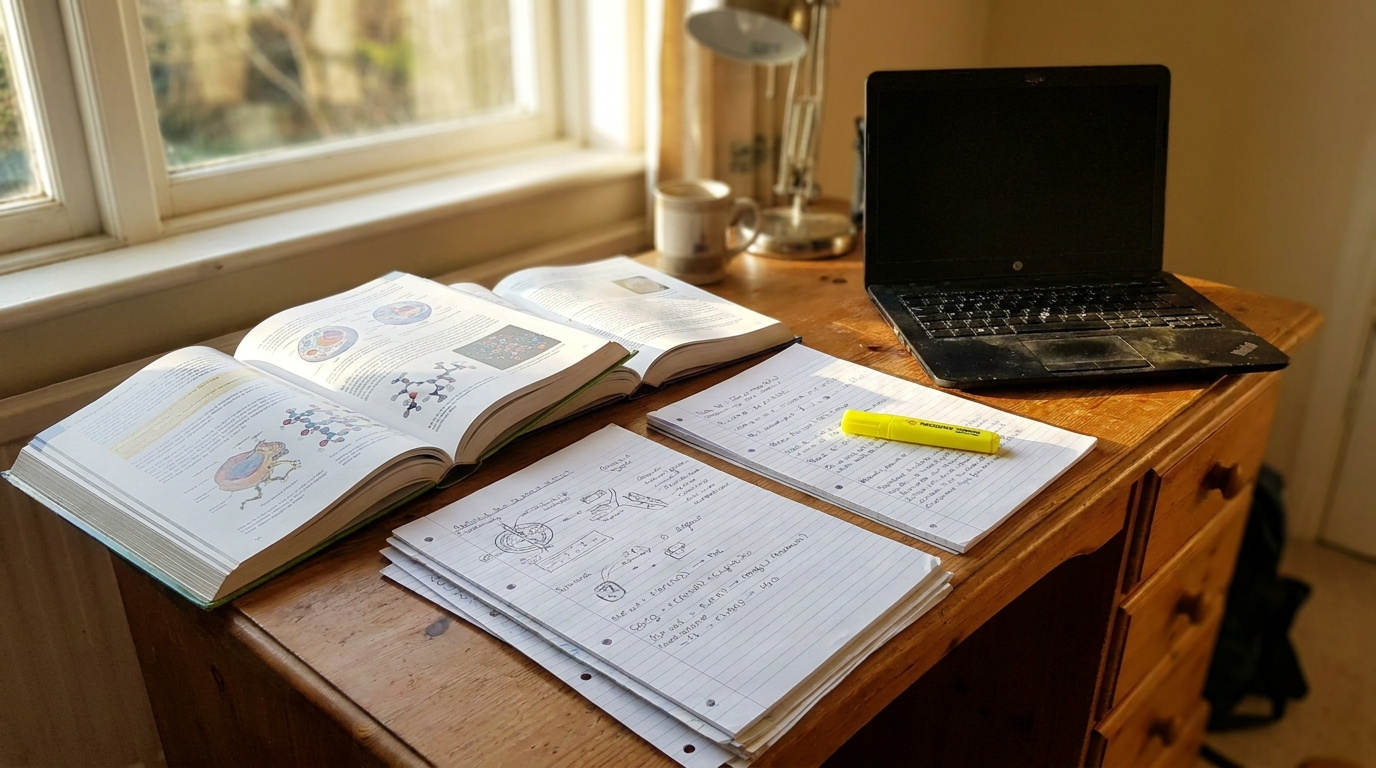
What does daily life actually look like? In the pre-clinical years, your week is built around lectures, seminars and laboratory practicals in subjects like anatomy, physiology and biochemistry, with structured study time around them. Mornings are often spent in class, afternoons in labs or self-study, and evenings split between revision and socialising. It is busy and demanding — medicine always is — but the timetable is predictable, and students quickly find a rhythm that balances work with a social life.
In the clinical years, the pattern shifts to hospital rotations: you spend time on the wards and in clinics across the major specialties, learning hands-on alongside doctors, which is where your developing Polish also comes into play with patients. Around all of this, students fit in gym sessions, café study groups, society meetings, exploring the city and weekend trips. The key is that while the degree is intensive, Warsaw's affordability and easy transport leave room for a genuine life outside the lecture hall. This balance is what makes the long medical course sustainable, and it is a defining feature of student life in Poland. Our pillar guide describes the academic structure in detail.
Food & eating out
Eating well in Warsaw is easy and cheap, which keeps this part of the budget low. The classic student secret is the milk bar (bar mleczny) — a subsidised cafeteria serving hearty Polish meals for just €2–4. University canteens are similarly cheap, with a student meal around €5, while a casual restaurant meal runs roughly €7–14. If you cook at home, supermarkets like Biedronka and Lidl offer excellent value, with a monthly grocery budget of about €140–185 comfortably feeding one student.
Polish cuisine is hearty and worth exploring — pierogi (dumplings), soups and grilled meats feature heavily — but you are never limited to it. Warsaw's food scene is diverse and international, with everything from fast food to fine dining, and plenty of cafés for studying. The mix of subsidised student options and affordable supermarkets means food is one of the easiest costs to control: cook most of the time, use the milk bars and canteens, and eat out as a treat. For international students worried about missing home cooking, the next section is reassuring.
To put numbers on it: a student who cooks most meals at home can keep food costs to around €140–185 a month, while someone eating out frequently will spend considerably more — so this is one of the most flexible parts of your budget. The milk bars deserve special mention as a uniquely Polish institution: heavily subsidised since the communist era, they serve traditional dishes like pierogi, soups and cutlets at prices that seem almost too low, and they remain a beloved part of student life. University canteens offer similarly cheap, filling meals between classes. Between these, the cheap supermarkets, and the international and Indian options covered next, no student in Warsaw need ever go hungry or blow their budget on food.
Indian food & groceries
For Indian students in particular, Poland is far more accommodating than many expect. Warsaw has 30-plus Indian restaurants (Kraków has 15-plus), so a taste of home is never far away, and they range from casual to upmarket. Just as importantly, Indian grocery stores are available — in Warsaw they cluster around the Mokotów area — stocking rice, dal, spices, pickles, papad and the rest of the staples needed to cook Indian food properly. Every major city also has at least one Asian supermarket carrying Indian products.
If you cannot find something locally, online ordering fills the gap: Kuchnie Świata and Indian sellers on Allegro (Poland's equivalent of Amazon) deliver spices and ingredients nationwide. The upshot is that Indian students can eat the food they love, whether by cooking at home with familiar ingredients or dining out, without difficulty. This availability of Indian food and groceries is one of the practical reasons Poland is so popular with Indian students, and a frequent relief to families worried about diet. Our study MBBS abroad hub covers the Indian-student experience across destinations.
For families, this is often a bigger reassurance than they expect. A common fear before sending a child abroad is that they will struggle to eat familiar food or maintain dietary or religious requirements — but in Warsaw, with its established Indian community, that fear rarely materialises. Cooking dal and rice in a dormitory kitchen, picking up spices from a Mokotów grocery, or meeting friends at an Indian restaurant on a weekend are all part of normal student life here. Many students also cook together, sharing recipes and ingredients, which becomes a social activity in itself and a way of keeping a connection to home. The practical message is simple: food is not a barrier to studying in Poland, even for students used to home cooking.
Vegetarian & halal options
Dietary needs are well catered for in Warsaw. Vegetarian and vegan students are spoilt for choice: Warsaw and Kraków have dedicated vegetarian and vegan restaurants every few blocks, Polish cuisine itself includes many vegetable and dairy dishes, and the Indian restaurants and groceries make plant-based eating easy. Supermarkets stock a growing range of vegetarian and vegan products, so cooking at home is straightforward too.
For halal requirements, Warsaw has halal restaurants (including many of the Indian, Middle Eastern and Turkish establishments) and halal butchers and grocery stores serving the Muslim community, so sourcing halal food is manageable, especially in the bigger cities. As always, the larger the city, the wider the choice — and Warsaw, as the capital, offers the most. Students with specific dietary needs find Poland accommodating with a little local knowledge, and the established international community means you are rarely the first to ask where to find something. EHEC's pre-departure guidance covers these practicalities for each city.
A practical tip for any student with specific dietary requirements: connect with the relevant student community early, as fellow students are the best source of up-to-date recommendations on where to shop and eat. Online groups and senior students can point you to the nearest halal butcher, the best-value Indian grocery, or the vegetarian café near campus far faster than a general search. Cooking at home also gives you full control over your diet and is the most economical option, with the necessary ingredients readily available in Warsaw's shops and online. Whether your needs are religious, ethical or health-related, they are very workable here — diet is rarely the obstacle that families fear before a child moves to Poland.
Getting around
Warsaw has an excellent, affordable public transport network — two metro lines, extensive trams and buses — that makes getting around cheap and easy. The single biggest saving for students is the legitymacja (Polish student ID), which gives 50% off public transport; combined with a monthly pass, your transport costs drop to roughly €11–15 a month. An ISIC card adds further discounts across the city. Most students never need a car, and many districts are walkable or cyclable.
For the medical student specifically, this means cheap, reliable journeys between your accommodation, the university and the teaching hospitals where you do rotations. Trains and long-distance buses connect Warsaw to the rest of Poland affordably for weekend trips, and the city's two airports open up the rest of Europe. Transport is, in short, one of the easiest and cheapest parts of student life in Poland — a small, fixed cost rather than a worry. Just remember to carry your student ID to claim the discount.
A few practical pointers make it even smoother. Buy your tickets or passes through the city transport app or at machines and kiosks, and validate them as required — ticket inspections happen and fines for travelling without a valid ticket are easily avoided. Apps like Jakdojade (Warsaw's journey planner) and Google Maps make navigating the network simple, even with no Polish. Night buses cover the hours when the metro and trams stop, and ride-hailing apps such as Bolt and Uber are widely available and affordable for late nights or when carrying heavy shopping. Cycling is popular too, with the city's bike-share scheme and growing cycle lanes. Between all these options, getting around Warsaw is quick, cheap and stress-free — a pleasant contrast to the cost and congestion of many larger Western cities.
Health insurance & healthcare
Health insurance is mandatory for international students and is needed for your visa. You have two main routes, both inexpensive. Private health insurance costs roughly €9–13 a month and must typically cover a minimum of €30,000 of medical treatment. Alternatively, non-EU students can voluntarily join Poland's National Health Fund (NFZ) for around €15 a month, which gives access to public healthcare, including university health clinics, on the same basis as Polish residents. EU/EEA students can use their European Health Insurance Card (EHIC).
Either way, the cost is modest — a small, predictable monthly line in your budget — and the coverage gives peace of mind. Poland's healthcare is of a good standard, and as a medical student you will become very familiar with its hospitals through your clinical training. Arrange your insurance before you travel, since you need proof of it for both your visa and your university enrolment. It is one of the simpler administrative tasks, but an essential one, and EHEC ensures students have the right cover in place before departure.
One detail worth knowing: the NFZ route, while a little more expensive than basic private cover, gives you access to the public healthcare system on the same footing as Polish residents, including GP visits, specialists and hospital care, which can be valuable over a six-year stay. Basic private insurance, on the other hand, satisfies the visa requirement at the lowest cost and is often the simpler choice for the first year. Many students start with private cover and review their options once settled. Whichever you choose, keep your insurance documents accessible, know how to access care if you fall ill, and register with a local clinic. Good health cover is part of looking after yourself across a long degree — easy to arrange in Poland, and inexpensive either way.
Safety
Safety is one of the first questions families ask, and Poland's answer is reassuring: it is consistently rated among the safest countries in the EU, with low crime rates and a calm, orderly environment. Warsaw and the other university cities are safe to live in and to move around, including in the evenings, and international students routinely report feeling secure. Normal city-sense precautions apply, as anywhere, but serious concerns are rare.
This safety extends to the practical and the social: Poland is welcoming to international students, the cities are well policed and well lit, and the large student populations create a comfortable, familiar environment. For parents in India, the UAE or elsewhere weighing where to send a son or daughter for six years, Poland's strong safety record is a significant reassurance — and a genuine advantage over many alternatives. It is one of the quiet reasons student life in Poland is so highly rated, and a major factor in the country's growing popularity with international medical students.
It is sensible, of course, to apply the same common sense you would in any city anywhere in the world: keep an eye on your belongings in crowded places, stay aware late at night, and use licensed transport. But these are ordinary precautions, not responses to a dangerous environment. Female students, a frequent concern for families, generally report feeling safe in Warsaw and the other university cities, including travelling on public transport in the evenings. The combination of low crime, good infrastructure and a large, supportive student community means most students settle quickly into a relaxed, secure daily routine — which, over a six-year degree, is no small thing for both students and the families supporting them from afar.
The international & Indian community
You will not be alone in Poland. The country hosts a large and growing international student population, and the Indian community in particular is substantial — around 6,500 Indian students study across Poland, with sizeable groups in Warsaw and the other medical cities. This established community means ready-made support networks: senior students who have walked the same path, cultural and student societies, festivals celebrated together, and the simple comfort of familiar faces and shared experiences far from home.
The festivals point is worth dwelling on for students worried about losing touch with home traditions. Diwali, Holi, Eid and other celebrations are marked by the student communities in Warsaw and the other cities, often with university support, so the cultural calendar that matters to you does not disappear when you move. Cricket and other familiar pastimes have their followings too, and student associations organise everything from welcome events to trips. For students from the UAE, Africa, the Middle East and across Europe, similar communities exist, making Warsaw a genuinely multicultural place to study. This web of connections is what turns a foreign city into a home, and it is one of the reasons students consistently rate the social side of studying in Poland so highly.
For new arrivals, this community is invaluable. Seniors help with everything from finding accommodation and Indian groceries to navigating the entrance exam, the FMGE/NExT and university bureaucracy. Universities also run their own international student offices and orientation programmes, and the broader international cohort — students from across Europe, Africa, the Middle East and beyond — makes for a diverse, friendly environment. The sense of belonging that comes from a strong community is one of the most underrated parts of student life in Poland, and it helps newcomers settle in quickly. EHEC connects students with these networks before and after arrival.
Wellbeing & homesickness
It would be dishonest to pretend that moving thousands of miles from home is always easy. Homesickness is normal, especially in the first months and around festivals, and the demanding nature of a medical degree adds its own pressures. The good news is that Poland offers a lot of support: the large Indian and international communities mean you are surrounded by people going through the same experience, festivals are celebrated together, and the familiarity of Indian food and groceries softens the distance from home.
Universities provide student support services, including counselling, and the student societies create a social safety net. Practical habits help too — staying in regular contact with family, building a routine, keeping active, and leaning on senior students and friends when things feel hard. Most students find that the initial adjustment passes within the first term as friendships form and the city becomes familiar. Looking after your wellbeing is as important as your studies over a six-year degree, and Poland's welcoming environment makes that easier. If you ever feel overwhelmed, reaching out early — to friends, seniors or university support — makes all the difference, and is a sign of strength, not weakness.
Sports, fitness & green spaces
Staying active is easy and affordable in Warsaw, which matters for both health and stress relief during an intense degree. Universities have sports facilities and clubs — gyms, swimming pools, football, basketball and more — often available to students at low cost, and many run intramural leagues and societies you can join to meet people. Private gyms and fitness studios are widely available and reasonably priced, especially with student rates.
Warsaw is also a notably green city, with large parks (Łazienki and the Vistula riverside among them), cycle paths and open spaces perfect for running, walking or simply unwinding between study sessions. The four seasons bring variety — from summer cycling and riverside evenings to winter ice-skating and snow. For a medical student, building exercise and time outdoors into the week is one of the best ways to stay balanced and healthy across the long course, and Warsaw makes it cheap and convenient to do so. It all adds to the quality of student life in Poland.
Language & English
A common worry — "will I cope without Polish?" — has a reassuring answer. English is widely spoken in Polish cities, especially among younger people, at universities and in many services, so you can manage daily life, study and socialising in English from day one. Your entire medical degree is taught in English, and the international community operates largely in English too.
That said, learning some Polish genuinely enriches the experience and is practically useful — for everyday interactions, for warmer connections with locals, and, crucially, for the clinical years, when you need Polish to communicate with patients during hospital rotations. Universities include Polish language courses for exactly this reason, and picking up the basics early pays off. You do not need Polish to start your life in Warsaw, but acquiring it over time makes that life fuller and your clinical training smoother. For students who later wish to practise in Poland, Polish becomes essential — a point our Poland practising guide covers.
Weather & what to pack
Poland has a continental climate with four distinct seasons, and the winters are the main adjustment for students from warmer countries. Expect cold winters (roughly -5°C to 5°C, with snow) from around November to March, and pleasantly warm summers (20–30°C). Spring and autumn are mild and beautiful. The cold is very manageable with the right clothing — Polish buildings, dormitories and transport are all well heated — but it is a real season to prepare for.
Pack accordingly: a good warm winter coat, thermal layers, gloves, a hat, a scarf and waterproof boots are essentials for the winter months, and many students buy some of these affordably once they arrive. For the warm summers, lighter clothing is all you need. Beyond clothing, bring any familiar comforts and the documents you will need on arrival. Adjusting to the Polish winter is a rite of passage for international students, and one that quickly becomes part of the experience — many come to enjoy the snow. Our pre-departure guidance includes a full packing checklist tailored to the Polish seasons.
Culture, nightlife & things to do
Beyond study, Poland offers a rich and affordable social and cultural life. Warsaw has a vibrant scene — museums, theatres, concerts, parks, riverside spaces and a busy calendar of events — alongside plenty of cafés, bars and clubs popular with students. The reconstructed Old Town is a UNESCO site and a lovely place to spend time, and the city blends history with a modern, energetic feel. Costs are low enough that students can enjoy an active social life without overspending.
Elsewhere in Poland, Kraków's Kazimierz district is rated among Europe's best for nightlife, and cities like Wrocław, Gdańsk and Poznań each have their own character and student scenes. Whether your idea of downtime is a quiet café with a book, exploring historic sites, or a lively night out, Poland delivers it affordably. This balance — serious study alongside a genuinely enjoyable social life — is a big part of why students rate their time in Poland so highly, and it keeps the demanding six-year medical degree sustainable and fun.
The affordability of all this is what makes it accessible to students. A coffee, a cinema ticket, a museum entry or a night out costs a fraction of what it would in London, Paris or New York, so a rich cultural and social life is within reach even on a student budget — especially with the student discounts that apply across so much of it. Warsaw also hosts seasonal events throughout the year, from summer festivals and open-air concerts along the Vistula to Christmas markets in winter, giving the calendar a rhythm and the city a constant sense of life. For students, this means the years spent in Poland are not just about study but about genuinely experiencing a vibrant European capital — memories and friendships that last well beyond graduation.
Travelling Europe
One of the great perks of studying in Poland is its position in the heart of Europe and its membership of the Schengen area, which means visa-free travel across most of the continent during your studies. Weekend trips are cheap and easy: Berlin is around four hours away, Prague about five, and Vienna roughly six, all reachable by inexpensive long-distance buses (often for the equivalent of a few euros) or by train, and Poland's airports open up budget flights across Europe.
For international students, this is a rare opportunity to explore Europe affordably while completing a medical degree — a cultural education alongside the academic one. Many students use their breaks to travel widely, building memories and friendships across the continent. It is a genuine lifestyle advantage that destinations outside the EU and Schengen simply cannot match, and one more reason an EU country like Poland appeals. Our study medicine in English in Europe guide explores the wider European advantages.
Working part-time
Many students wonder whether they can work alongside their studies. International students in Poland are generally permitted to work part-time, and full-time during university holidays, which can help with living costs and provide useful experience. Common student jobs include hospitality, tutoring, retail and roles that use your language skills, and the rules for non-EU students on a student visa are relatively accommodating compared with some countries.
A realistic caveat, though: the six-year medical degree is intensive, and your studies must come first — particularly in the demanding pre-clinical and clinical years and around exams. Part-time work is best treated as a modest supplement to your budget and a way to integrate, not as a means of funding your studies, which should be planned and funded separately (see our cost guide). Used sensibly, a part-time job can enrich your student life in Poland without derailing your degree. Check your specific visa conditions and university rules before taking on work.
Daily cost-saving tips
Living well on a student budget in Warsaw is largely about a few good habits. Eat smart: cook at home with Biedronka and Lidl groceries, use the milk bars and university canteens for cheap hot meals, and save restaurants for treats. Travel smart: always carry your legitymacja for the 50% transport discount, buy monthly passes rather than single tickets, and walk or cycle short distances. Live smart: a dormitory or a shared flat with classmates dramatically cuts your biggest cost, and splitting utilities helps further.
Beyond these, use student discounts everywhere — they apply to museums, cinemas, events and many shops with an ISIC or Polish student card — shop at markets for fresh produce, and watch the small recurring costs that quietly add up. Buying some winter clothing locally rather than shipping it, and choosing a neighbourhood slightly outside the centre, are further easy savings. None of this means living frugally in a way that spoils the experience; it simply means spending deliberately so your budget stretches further. Compared with studying in Western Europe — or with other European destinations, as our three-way comparison shows — Warsaw lets students live comfortably for remarkably little.
Tips for settling in
- Apply for a dormitory the moment you are admitted — they are cheap and fill fast.
- Arrange accommodation and insurance before you fly, so you arrive with the essentials sorted.
- Get your legitymacja (student ID) early for the 50% transport discount and other savings.
- Open a local bank account on arrival to avoid foreign-transaction fees.
- Connect with the Indian and international student community — seniors are a goldmine of practical help.
- Learn basic Polish for daily life and your clinical years.
- Prepare for winter with proper warm clothing.
- Use student discounts everywhere — transport, museums, cinemas and more.
Settling into a new country is always an adjustment, but Poland makes it easier than most: it is affordable, safe, welcoming and well used to international students. With a little preparation and the support of the community and your university, most students feel at home within weeks. EHEC's pre-departure orientation walks students through all of this so they arrive confident and ready.
How EHEC helps
EHEC supports you well beyond admission — helping you arrange safe accommodation before you fly, set up health insurance, connect with the Indian and international community, prepare for the Polish seasons, and settle into life in Warsaw or your chosen city through pre-departure orientation and on-the-ground guidance. If you want to picture your daily life and plan a realistic living budget, a free 45-minute consult can map it all out.
Book a free 45-minute consult →
Related guides
- Study medicine in Poland: the complete guide
- Cost of studying medicine in Poland
- Medicine in Poland admission: requirements & how to apply
- Practising after a Poland medical degree
- Studying medicine abroad as a US student
- Student life in Romania: living in Bucharest
- Student life in Slovakia: living in Bratislava
- Student life in Georgia: living in Tbilisi
- Study medicine in English in Europe
- Study MBBS abroad: the complete guide
- Explore Poland
- Student life in the Czech Republic
- Student life in Hungary
- Student life in Latvia
- Student life in Lithuania
Frequently asked questions
What is the cost of living for students in Poland?
Around €600–800 a month in Warsaw all-in (≈ ₹54,000–72,000; $648–864; £510–680; AED 2,400–3,200), covering accommodation, food, transport, utilities, insurance and personal spending. Smaller cities are cheaper, often €450–600 a month.
How much is student accommodation in Warsaw?
University dormitories cost about €110–250 a month (the cheapest option), a room in a shared flat €300–500, and a private studio €500–800. Apply for a dormitory early, as places are limited.
Is there Indian food in Poland?
Yes — Warsaw has 30+ Indian restaurants and Kraków 15+, plus Indian grocery stores (clustered in Mokotów in Warsaw) and Asian supermarkets in every city. You can also order Indian ingredients online via Kuchnie Świata or Allegro.
Is Poland safe for international students?
Yes. Poland is among the safest countries in the EU, with low crime and a calm environment. Warsaw and the other university cities are safe to live in and move around, including in the evenings.
Is Warsaw expensive for students?
Warsaw is the most expensive Polish city but still affordable by EU standards — far cheaper than Western European capitals. Using dormitories, milk bars and student transport discounts keeps costs low.
Can I get by in Poland without speaking Polish?
Yes. English is widely spoken in cities and universities, and your degree is taught in English. Learning basic Polish helps with daily life and is needed for clinical rotations with patients.
How do students get around in Warsaw?
By an excellent public transport network of metro, trams and buses. A student ID (legitymacja) gives 50% off, so monthly transport costs about €11–15. Most students don't need a car.
How big is the Indian student community in Poland?
Around 6,500 Indian students study across Poland, with large groups in Warsaw and other medical cities, providing ready-made support networks, societies and senior students who help newcomers.
How cold are Polish winters?
Cold — roughly -5°C to 5°C with snow from about November to March — while summers are warm (20–30°C). It's very manageable with proper winter clothing, and buildings and transport are well heated.
Are there vegetarian and halal food options?
Yes. Warsaw and Kraków have many vegetarian and vegan restaurants, and halal food is available through Indian, Middle Eastern and Turkish restaurants and halal grocery stores, especially in bigger cities.
Can international students work part-time in Poland?
Generally yes — part-time during term and full-time in holidays — which helps with living costs. But the medical degree is intensive, so work should supplement, not fund, your studies. Check your visa conditions.
How do I find accommodation in Warsaw?
Apply for a university dormitory on admission; for private rentals use OLX.pl, Gumtree.pl, HousingAnywhere or city Facebook groups. Book your first accommodation before arrival and use verified channels to avoid scams.
Do I need health insurance as a student in Poland?
Yes, it's mandatory and needed for your visa. Private insurance costs about €9–13 a month (covering at least €30,000), or you can join the National Health Fund (NFZ) for around €15 a month.
Can I travel around Europe while studying in Poland?
Yes. Poland is in the Schengen area, so you can travel visa-free across most of Europe. Berlin (~4h), Prague (~5h) and Vienna (~6h) are cheap weekend trips by bus or train.
Should I open a Polish bank account?
Yes — it makes paying rent and bills easier and avoids foreign-transaction fees. Polish banks offer student accounts; you'll usually need your passport, student confirmation and proof of address. A local SIM card is also worth getting early.
Are there sports and fitness facilities for students?
Yes. Universities have gyms, pools and sports clubs at low cost, private gyms are affordable with student rates, and Warsaw has large parks and the Vistula riverside for running, cycling and unwinding.
How do students cope with homesickness in Poland?
The large Indian and international communities, familiar food, student societies and university counselling all help. Homesickness is normal early on but usually eases within the first term as friendships form and the city becomes familiar.
Want this applied to your own profile? Book a free 45-minute consult and a senior counsellor will map exactly what it means for you, your timeline, and your budget.