Student life in Romania blends an affordable, EU-standard lifestyle with the energy of a big European capital. Bucharest — where Carol Davila and other medical faculties sit — is safe, budget-friendly and lively, with a cost of living of roughly €300–650 a month, cheap and reliable transport (and free intercity trains for students), a growing Indian community, easy access to Indian food, and a historic centre full of cafés and nightlife. As an EU and Schengen country, Romania also opens up part-time work and effortless travel across Europe. This guide covers the real day-to-day of living in Bucharest as a medical student — accommodation, food, safety, costs, community and things to do.
What student life is like
Student life in Romania offers something many destinations cannot: a serious, EU-recognised medical education set in a large, affordable European capital that is genuinely enjoyable to live in. Bucharest is a city of around two million, with grand boulevards, a buzzing historic centre, green parks and a cost of living well below Western Europe. For a medical student, days revolve around lectures, labs and — from the clinical years — hospital rotations, while evenings and weekends bring cafés, parks, student events and travel.
What strikes most newcomers is how easy it is to settle. Romania hosts thousands of international students, and Bucharest in particular has well-established student communities, associations and support services that smooth the transition. English is widely spoken in the city, the locals are welcoming and multicultural, and a growing Indian community means the practical worries — food, accommodation, finding your way — are already solved paths. Student life in Romania is demanding academically but comfortable logistically, which is exactly the combination a first-time student abroad needs, and the EU setting adds perks — work rights, Schengen travel — that non-EU destinations cannot match.
It is also worth setting expectations about the lifestyle. Bucharest is a real European capital, not a small student town — it has the energy, the amenities and the cultural life of a big city, alongside the affordability that makes it accessible to students from India, the Gulf and beyond. For many, that combination is the appeal: you get a genuine big-city European experience and an EU-recognised medical degree, without the Western-European price tag. The six years are long and the course is hard, but the setting makes them rewarding rather than merely endurable, and most students finish with a real affection for the city and the friendships they built there.
A typical day
Picturing the rhythm helps. A weekday usually begins with morning classes or practicals at the university, a short metro ride or walk from your accommodation. Lectures, lab sessions and, in the later years, hospital rotations fill the day, with breaks spent in the campus cafeteria or a nearby café with classmates. Afternoons and early evenings go to self-study and group revision — and, as the FMGE/NExT approaches for India-bound students, to question banks and exam prep.
Evenings are for cooking with flatmates, video-calling family, and unwinding — a walk in a park, a coffee in the old town, or a student event. Weekends open up: a longer study block, a trip to the market to stock up, and time to explore Bucharest or travel further afield, often by the free intercity trains. It is a full but balanced rhythm, and because the cost of living in Bucharest for students is modest, none of it feels financially fraught. The students who thrive build this kind of steady routine early, rather than swinging between cramming and burnout — a habit that pays off across a six-year degree.
The balance shifts as you move through the course. The early pre-clinical years are heavier on lectures and lab work, with more predictable hours that leave room for settling in, socialising and exploring. The later clinical years bring hospital rotations, which are more demanding and less regular but also more rewarding, as you start working with real patients. Across all of it, the affordable, walkable city makes the daily grind lighter — a cheap commute, a quick coffee, an easy park break between sessions. Establishing good habits early, from consistent study to regular exercise and sleep, is what carries students through the long degree, and the pleasant setting of student life in Romania makes those habits easier to keep than they would be in a harsher or pricier city.
Cost of living in Bucharest
Affordability is central to student life in Romania. Most students live comfortably on €300–650 a month all-in, with Bucharest at the higher end of that range and smaller cities cheaper. Here is a typical monthly breakdown in all five currencies (approximate — your real spend depends on accommodation and lifestyle).
| Item | EUR | INR | USD | GBP | AED |
|---|---|---|---|---|---|
| Accommodation (dorm or shared flat) | €100–300 | ₹9,000–27,000 | $108–324 | £85–255 | AED 400–1,200 |
| Food & groceries | €100–250 | ₹9,000–22,500 | $108–270 | £85–213 | AED 400–1,000 |
| Transport | €15–30 | ₹1,350–2,700 | $16–32 | £13–26 | AED 60–120 |
| Utilities & internet | €30–60 | ₹2,700–5,400 | $32–65 | £26–51 | AED 120–240 |
| Personal & leisure | €50–100 | ₹4,500–9,000 | $54–108 | £43–85 | AED 200–400 |
| Total | €300–650 | ₹27,000–58,500 | $324–700 | £255–550 | AED 1,200–2,600 |
Over a year that is roughly €5,000–9,000 including books and some travel. The biggest variables are accommodation and how often you eat out — cooking at home and sharing a flat keep costs near the lower end, while a private flat in a central area and frequent restaurants push them up. This is the living side of the budget; for full tuition and total-degree figures in all five currencies, see our cost of studying medicine in Romania guide.
Budgeting: frugal vs comfortable
The same city can cost very differently depending on how you live, which is why the range is so wide. The table below shows two realistic monthly budgets for a student in Bucharest, in all five currencies.
| Monthly spend | Frugal student | Comfortable student |
|---|---|---|
| EUR | €300–380 | €550–650 |
| INR | ₹27,000–34,000 | ₹49,500–58,500 |
| USD | $324–410 | $594–700 |
| GBP | £255–325 | £468–550 |
| AED | AED 1,200–1,520 | AED 2,200–2,600 |
| How | Dorm/shared flat far out, cook at home, free trains, few nights out | Central shared flat, eat out often, more travel and leisure |
The frugal column shows that a disciplined student — sharing accommodation, cooking from base ingredients, using student transport passes and the free trains — can keep the cost of living in Bucharest near the bottom of the range. The comfortable column reflects a more relaxed lifestyle in a central flat. Neither is "right"; the point is that you have real control over your monthly spend, and part-time work (covered below) can ease either budget. Most students settle somewhere in between as they find their feet.
Where to live: Bucharest neighbourhoods
Choosing the right area shapes both your budget and your daily life. The historic centre (Centrul Vechi / Lipscani) is the liveliest, with cafés and nightlife on the doorstep, but rents are higher and it can be noisy. Universitate and central districts are convenient and well connected but pricier. For better value, students often look to well-served residential areas a little further out — neighbourhoods like Drumul Taberei, Tineretului, Crângași or areas along the metro lines — where rents are lower and the commute is still easy.
The guiding principle is to balance proximity to your university and teaching hospitals against rent, and to prioritise being near a metro line over being in a trendy district. A slightly longer but well-connected commute from a cheaper area can save a meaningful amount over six years without making daily life harder. Many students start in or near university accommodation, learn the city, and then choose an area and flatmates that suit them for the later years. Whichever you pick, Bucharest's neighbourhoods are generally safe and the metro ties the city together, so you are rarely far from campus, shops and the social scene — a practical foundation of comfortable student life in Romania.
Accommodation: dorms & apartments
Where you live shapes student life in Romania more than anything else, and there are two main routes. University dormitories (cămine) are the cheapest option — often as little as €75–150 a month, sometimes with bills included — and they are secure and social. The catch is scarcity: places are limited and competition is fierce, so a dorm spot is far from guaranteed, especially in Bucharest. Apply as early as possible if you want one for your first year.
Shared private apartments are therefore where most international students end up. A room in a shared flat typically costs €100–300 a month per person depending on the area, and students often share larger apartments among several flatmates to keep costs down. Central Bucharest and desirable districts sit at the higher end; areas a little further out, well served by the metro, are cheaper. Budget for a deposit (usually one to two months' rent) and check whether utilities are included, as winter heating adds up.
The common advice is to secure university or university-arranged housing for the first year if you can, then move into a shared apartment with classmates once you know the city and have made friends. Choosing accommodation deliberately — and as close to your university or a metro line as possible — is the single easiest way to control both your budget and your daily commute, and to keep the cost of living in Bucharest for students manageable.
A few practical pointers smooth the process. Start your search early, especially for the autumn intake when demand peaks; view a place (or have a trusted contact view it) before paying anything, and be wary of deposit-up-front scams common in any big rental market. Use reputable rental platforms and student groups, and lean on seniors and the international-student office, who know which areas and landlords are reliable. Always insist on a written contract and clarify whether utilities are included. Sharing with classmates not only splits the rent but builds the friendships and study partnerships that carry you through the course — so the flatmates you choose matter almost as much as the flat. Get accommodation right and the rest of student life in Romania falls into place around a stable, affordable base.
Food & Indian options
Food is the worry families raise most, and in Bucharest it is largely solved. Indian cuisine is available in the city through Indian restaurants, and — more importantly for day-to-day life — Indian groceries and spices can be found in markets and stores, so students can cook familiar meals at home. The large local markets are cheap sources of fresh vegetables, which suits vegetarian and Jain students who self-cater. Most students cook the majority of their meals, both to eat what they like and to keep costs down.
Beyond Indian food, Romanian cuisine is varied and student-friendly, with plenty of vegetarian and non-vegetarian options and hearty, affordable dishes worth trying as part of settling in. The golden rule for budgets is simple: eating out frequently is where student spending crashes, even at cheap places, while cooking from base ingredients keeps food costs near the lower end of the range. Between Indian groceries, home cooking and the local food scene, eating well is easy and affordable — a practical comfort that makes student life in Romania feel like home faster than newcomers expect.
A few practical food habits help. Shop at the large local markets (piață) for cheap, fresh vegetables and staples rather than relying on convenience stores; cook in bulk with flatmates and split the cost and the effort; and keep a small stock of the Indian spices and ingredients that make home cooking satisfying. Many student flats share cooking, which doubles as a social ritual and a money-saver. With these habits, a student can eat well on roughly €100–150 a month, while those who eat out often can easily spend double. Food, in other words, is one of the most controllable parts of the cost of living in Bucharest for students — and one of the parts families worry about most beforehand and stop thinking about within weeks of arrival.
Safety in Romania
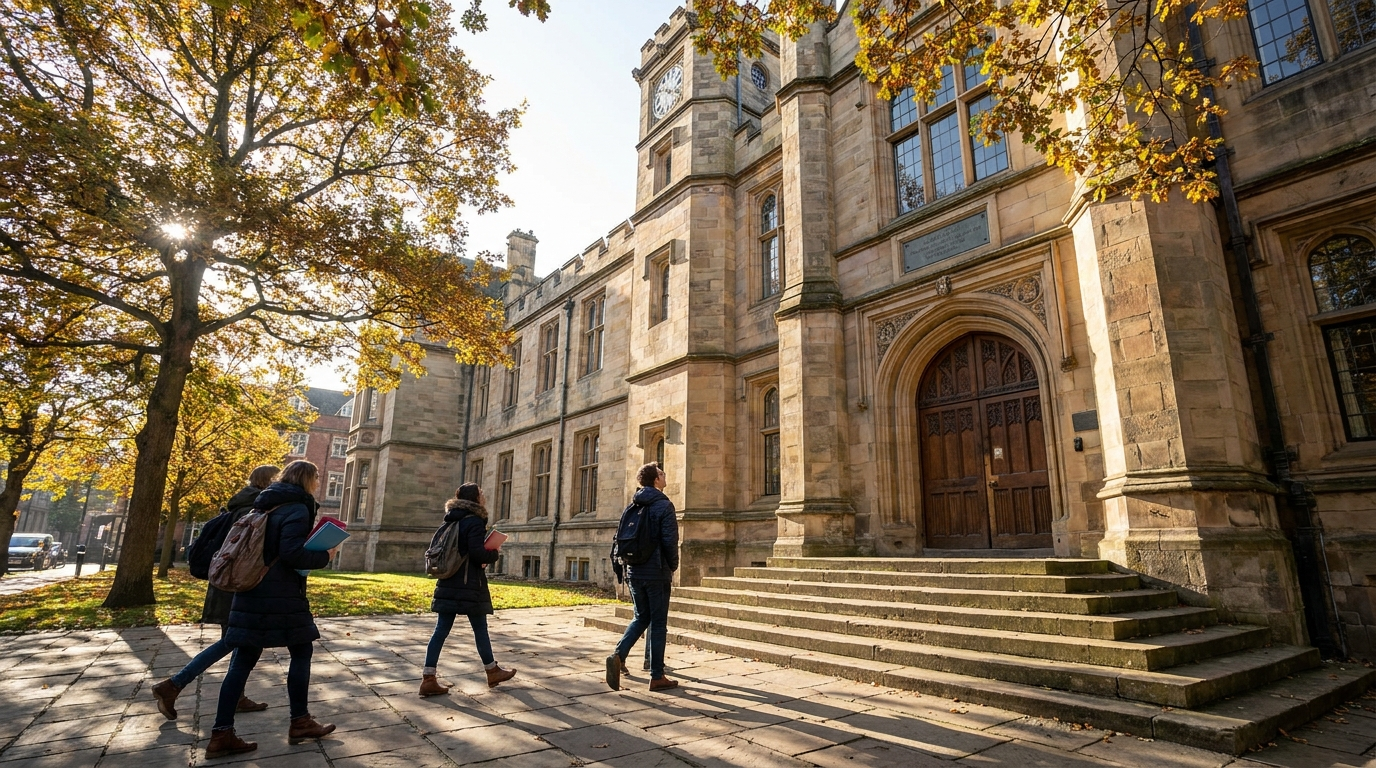
Safety is the concern families raise most after food, and Romania reassures strongly here. It is consistently ranked among the safest countries in the EU, with a low crime rate and a welcoming, multicultural atmosphere toward international students. For day-to-day student life in Romania, that means using public transport, walking in the city in the evening and living in student areas all feel comfortable. Bucharest's lively historic centre, for instance, is a safe, busy area where the streets stay crowded into the night.
For parents — and for students moving abroad for the first time — this safety record is one of Romania's strongest practical arguments. University dormitories are secure, student neighbourhoods are settled, and the established international community means there is usually someone to travel or socialise with. As anywhere, sensible precautions apply, but Romania's reputation as a safe, easy-going EU country is a major reason it has grown so popular with Indian and international medical students, and it lets families relax about a child living in a foreign capital.
It is worth being concrete about what "safe" means day to day. Students consistently report feeling comfortable using the metro late, walking home from the old town in the evening, and living in shared flats across the city's neighbourhoods. Petty issues like pickpocketing exist in any large city's busy spots, so the usual common-sense habits — keeping an eye on belongings, not flashing valuables — are all that is really needed. For female students in particular, the combination of secure housing, safe student areas and a respectful culture is what turns nervous families into relaxed ones. Set against the safety worries that surround some other study-abroad destinations, Romania's record is a genuine and reassuring point in its favour.
Climate & seasons
Romania has four distinct seasons, and the practical headline for a new student is that winters are genuinely cold while summers are warm and pleasant. Bucharest sees chilly, sometimes snowy winters that call for proper warm clothing and indoor heating, mild and lively spring and autumn, and hot summers. For students from warmer parts of India or the Gulf, the winter is the main adjustment — budget for a one-off spend on winter clothing and factor heating into your apartment bills.
The upside is that the seasons are part of the experience. Snowy winters open up nearby mountain trips and even skiing in the Carpathians; warm summers are perfect for parks, terraces and travel, including the Black Sea coast. Pack for all four seasons and the climate becomes a feature of student life in Romania rather than a hardship. The changing seasons also give Bucharest a distinct rhythm across the academic year, from cosy winter study months to bright, social summers.
A little preparation makes the climate a non-issue. Bring or buy a warm coat, layers, gloves and proper footwear for winter — a one-off cost that pays for itself in comfort — and remember that apartments are heated, so indoor life stays cosy even when it is cold outside. The first winter is the main adjustment for students from warmer climates, but most adapt quickly and come to enjoy the novelty of snow and the seasonal change. By spring, the parks fill up and the terraces reopen, and the city's mood lifts with the weather. Far from a drawback, the four distinct seasons give your time in Romania texture and variety, each bringing its own activities and atmosphere across the long academic year.
Getting around Bucharest
Getting around is cheap and easy, which keeps both costs and stress low. Bucharest has an extensive metro plus buses, trams and trolleybuses, all inexpensive, and student discounts bring fares down further — most students budget only €15–30 a month for transport. Living near a metro line makes the daily commute to campus and hospitals simple, and ride-hailing apps are available and affordable for occasional late trips.
One standout perk of student life in Romania is that registered students travel free on intercity trains across the country. This turns weekend travel into something genuinely cheap: you can explore Romania's cities, mountains and coast without paying for the train, which few other study destinations offer. Bucharest's international airport also connects to India and the Gulf with direct and one-stop flights, so trips home over longer breaks are straightforward. Reliable, cheap transport — and those free trains — are among the understated comforts of living in Bucharest as a student.
Within the city, the practical advice is to live near a metro station and rely on the network for your daily commute, which is fast, cheap and avoids traffic. Buy a student travel pass at the start of each term for the lowest fares, and keep a ride-hailing app for occasional late nights when the metro has closed. Many students near campus simply walk or cycle. None of this requires a car — Bucharest is well covered by public transport, and the savings over running a vehicle are significant. Getting your transport set up in the first week, as part of settling in, means you can move around the city confidently and cheaply from the outset, which makes everything from attending classes to exploring the old town effortless.
The Indian & international community
A big reason student life in Romania feels manageable from day one is the community. Romanian universities host thousands of international students from across Asia, Africa, the Middle East and Europe, and many medical universities already have a significant number of Indian students. That means established networks for everything a newcomer needs — finding accommodation, sourcing Indian groceries, choosing electives, preparing for the FMGE/NExT — and a ready social circle of seniors and peers who have walked the same path.
This community is more than convenience; it is a genuine support system. Festivals are celebrated, student associations and the Erasmus Student Network run events, and seniors mentor juniors through the academic and practical challenges. Combined with welcoming locals and widely spoken English in the city, it means few students feel isolated for long. For parents, knowing their child joins an established, supportive network rather than arriving alone in a strange city is reassuring — and for students, the friendships formed here often become one of the most valued parts of the whole experience.
The community also helps in quiet, practical ways that add up over six years: a senior who has already cleared a tough exam and shares their notes, a flatmate who knows which landlord to trust, a WhatsApp group that flags a good doctor or a cheap flight home. These small links smooth the rough edges of living abroad, and they are exactly what a first-time student abroad needs in the early weeks. Getting involved — saying yes to events, joining a society, connecting with your cohort and seniors — is the single fastest way to turn a big, unfamiliar city into a place that feels like home. Few students who engage with the community feel lonely for long, and many leave Romania with friendships that last well beyond graduation.
Staying connected
Staying in touch with home is simple. A local SIM with a generous data plan is cheap and easy to set up on arrival, and Romania has good, fast internet — Bucharest is a well-connected European capital. Video calls home, online study resources and FMGE/NExT preparation all work smoothly, so families anxious about distance can stay in regular contact from the first week, which takes the edge off the early days away.
Good connectivity also supports study. Online lectures, digital question banks and exam-prep platforms are part of modern medical study, and reliable internet means they are never a problem. Setting up a SIM and home Wi-Fi is one of the first small tasks on arrival, and once done you are as connected as you would be anywhere. Romania's strong digital infrastructure — it is known for fast internet — is a quiet but real plus of student life in Romania.
Your first week: a settling-in checklist
The first week sets the tone, and ticking off a few practical tasks early makes everything afterwards easier. For a new student arriving in Bucharest, the priorities are roughly:
- Enrol and register at the university, and complete the residence-permit process within the required period of arrival (non-EU students).
- Sort accommodation — move into your dorm or flat, pay any deposit, and note your landlord and utility arrangements.
- Get a local SIM and set up home internet so you can stay connected and navigate the city.
- Buy a student transport pass for the metro and buses to travel cheaply from day one.
- Open a local bank account if needed, and learn where the nearest market, pharmacy and Indian-grocery options are.
- Confirm your health insurance is active and know where the university health service and nearest clinic are.
- Meet people — connect with seniors, your cohort and student associations early.
None of these is difficult, but doing them promptly avoids a stressful scramble later — an unregistered residence permit or an inactive SIM is the kind of small problem that grows if ignored. Seniors and the international-student office are there to help, and many universities run orientation events that walk newcomers through the essentials. Get the admin done in week one and you can turn your attention to the course and to enjoying student life in Romania.
Healthcare & insurance
Health cover is both a visa requirement and a practical necessity, so it is worth understanding. International students in Romania must hold valid health insurance, which is inexpensive and is part of the documentation for your visa and residence permit. With it in place, you have access to medical care, and universities typically have health services or partnered clinics for students. As a medical student, you will also become familiar with the Romanian healthcare system through your clinical training.
Practically, keep your insurance active and renewed each year, carry the relevant documents, and learn early where your nearest clinic and pharmacy are. Routine healthcare and medicines are affordable by EU standards, which fits the wider picture of Romania as a budget-friendly place to live. For students from India or the Gulf, the reassurance of accessible, inexpensive healthcare in a safe EU country is one more thing that makes student life in Romania comfortable for them and their families — and one less thing to worry about while focusing on a demanding degree.
Things to do in Bucharest
A real benefit of student life in Romania is how much there is to do when the books close, much of it cheap or free. Bucharest's historic centre — the Lipscani quarter — is the heart of student social life, a safe, lively area packed with cafés, restaurants, bars and clubs where the streets stay busy late. For quieter downtime, the city's large parks, such as Herăstrău (King Michael I Park) and Cişmigiu Gardens, are favourites for study, walks and relaxing by the water.
Beyond nightlife and parks, Bucharest offers museums, concerts, historic architecture and landmarks like the vast Palace of the Parliament, plus student discounts for cinemas, museums and events that make culture affordable. The city blends grand boulevards, Belle Époque buildings and a modern café culture, giving it a character students grow fond of. Whether your idea of downtime is a coffee with classmates, a night out in the old town, or an afternoon in a park with a textbook, Bucharest delivers it without straining a student budget — a big part of what makes living here enjoyable.
The variety also means your free time never has to be expensive. A typical student week might mix a cheap night in the old town, a free afternoon in a park, a discounted museum or cinema trip, and a coffee-fuelled study session in a café — all easily affordable. Bucharest rewards curiosity: there are hidden courtyards, indie cafés, weekend markets and cultural events constantly happening, so the city keeps revealing itself across six years. For students used to budgeting carefully, the fact that so much of Bucharest's appeal costs little or nothing is one of the quiet pleasures of student life in Romania, and it means the demands of the course are always balanced by an easy, affordable way to unwind.
Exploring Romania & beyond
One of the joys of student life in Romania is how easy and cheap it is to travel — helped enormously by free intercity train travel for students. Within Romania, a weekend can take you to Brașov and the storybook castles of Transylvania, the painted monasteries of the north, the Carpathian mountains for hiking or skiing, or Constanța and the Black Sea coast in summer. Because the trains are free, these trips cost little beyond accommodation, making regular exploration realistic on a student budget.
As an EU and Schengen member, Romania also opens the rest of Europe. Cheap flights and the Schengen area put cities across the continent within reach for holidays, giving you a chance to travel that students in non-EU destinations simply do not have. This blend of a rich home country to explore for free and an entire continent a short flight away is one of the distinctive rewards of studying in Romania — six years that build memories and horizons alongside a medical degree.
Bucharest vs Romania's other student cities
While this guide focuses on Bucharest, it helps to know how it compares with Romania's other medical-university cities, because your university choice fixes where you live. Cluj-Napoca is a large, youthful university city with a vibrant student scene and a strong reputation, though living costs run close to Bucharest's. Iași and Timișoara are well-established university cities offering a good balance of cost and amenities, with lively but slightly cheaper student life. Smaller cities such as Târgu Mureș and Constanța are cheaper still and quieter, with Constanța adding the bonus of the Black Sea coast.
The trade-offs are consistent: bigger cities like Bucharest and Cluj offer more amenities, the largest international communities and the busiest social scenes, but cost a little more; smaller cities save money and feel calmer but have fewer big-city distractions. For most students the choice is driven by which university admits them rather than by city alone, but it is worth knowing the character of each. Wherever you land, the fundamentals of student life in Romania — affordability, safety, EU perks and a welcoming community — hold across the country, so there is no wrong choice, only different flavours of the same good experience.
Festivals & the student calendar
Romania has a lively events calendar that students tap into throughout the year. Bucharest and the bigger cities host music festivals, cultural events, film screenings and seasonal markets, and the country's well-known summer festivals draw students from across Europe. On campus, the academic year has its own rhythm — orientation and freshers' events in autumn, winter celebrations, and end-of-year and summer activities — much of it organised by student associations and the Erasmus Student Network.
For international students, these events are more than entertainment; they are how you meet people and feel part of the place. The Indian community also marks its own festivals, so familiar celebrations are never far away. Balancing this social calendar with a demanding medical course is part of the skill of thriving abroad — enjoying the breaks without losing the study rhythm. Done well, the events and festivals woven through the year are what turn six years of hard study into a genuinely memorable chapter of life, and a big part of why students look back on student life in Romania so fondly.
Part-time work & budgets
A genuine advantage of student life in Romania over non-EU destinations is the right to work. As an EU country, Romania lets international students work part-time — generally up to around 20 hours a week during term and full-time in holidays, usually without a separate work permit. Reported student earnings run in the region of €491–688 a month (≈ ₹44,000–62,000; $530–743; £417–585; AED 1,960–2,750), which over a year can offset a real slice of living costs.
A note of realism: medicine is one of the most demanding degrees there is, and the early pre-clinical years and later clinical rotations leave limited time for paid work. Treat part-time earnings as a helpful supplement to ease living costs — tutoring, hospitality, retail or remote freelance work in the lighter periods — not as a way to fund tuition, and never let work compromise your studies or exam preparation. Used sensibly, it reduces what your family sends or the loan you need, making the cost of living in Bucharest for students easier to carry. Romania also allows a post-graduation stay-back period to look for work, a further benefit non-EU routes do not match.
Culture & adapting
Romanian culture is warm and welcoming, and locals are generally friendly and curious about international students. The official language is Romanian — a Romance language that students from Latin-influenced backgrounds find approachable — but English is widely spoken in Bucharest, especially among younger people, so daily life rarely hits a language wall. Learning some Romanian is appreciated and helps you settle in, and during clinical years you will pick up enough to communicate with patients, which universities support.
Adapting to a new country always takes a little time, but Bucharest makes it easier than most. It is a cosmopolitan European capital with an international student scene, a relaxed pace and a blend of historic and modern that students grow to love. Most describe the adjustment as quick and the experience as broadening — living independently, managing a budget, and studying alongside classmates from many cultures build exactly the maturity and adaptability medicine demands. Student life in Romania tends to build independence and confidence as much as medical knowledge, which is part of its lasting value.
Picking up some Romanian, even just the basics, accelerates the sense of belonging and is genuinely useful — at the market, with a landlord, and increasingly on the wards as you progress into clinical years. Romanian is a Romance language, so its vocabulary feels familiar to anyone with some exposure to French, Spanish or Italian, and universities support the language learning needed for patient contact. Beyond language, embracing local customs — trying the food, joining in seasonal celebrations, exploring the city's history — turns you from a visitor into a temporary local. Students who lean into the culture rather than staying within an expat bubble tend to enjoy their years most and grow the most, returning home with not just a degree but a broader, more confident outlook shaped by life in another country.
Student support & associations
You will not be left to navigate it all alone. Romanian universities provide support services — academic advising, health services, international-student offices and cultural-integration programmes — designed to help newcomers adapt. On top of official support, a rich layer of student-led activity makes student life in Romania social and connected: student associations, sports and cultural clubs, debate teams, and the Erasmus Student Network (ESN), which organises events and trips that help international students meet people and explore the country.
For a medical student specifically, these networks matter in practical ways too — study groups, shared notes, seniors who have cleared the same exams, and societies tied to medicine and research. Getting involved early is one of the best things a new student can do: it builds friendships, eases the academic load through collaboration, and turns a big city into a familiar community quickly. The combination of formal university support and informal student networks means help is rarely far away throughout your six years.
It is worth knowing specifically who to turn to for what. The international-student office handles visas, residence permits and enrolment queries; academic advisors and faculty help with course and study issues; health and counselling services support wellbeing; and student associations and the ESN cover the social and integration side. Knowing these channels exist — and using them early rather than waiting for a problem to grow — is part of navigating student life in Romania smoothly. New students sometimes try to solve everything alone; the ones who settle fastest are those who ask, whether it is a senior, the international office or a society. Romania's universities are used to large international cohorts and have built the support to match, so make the most of it from day one.
Balancing studies & wellbeing
Medicine is demanding wherever you study it, and Romania is no exception — the course is rigorous and, for India-bound students, the FMGE/NExT looms at the end. The students who thrive treat the affordable, pleasant environment as an asset for wellbeing rather than a distraction: a manageable cost of living reduces financial stress, the social community guards against isolation, and easy access to parks, travel and the city provides genuine downtime that keeps burnout at bay.
A healthy rhythm — consistent study through the year rather than last-minute cramming, regular contact with home, exercise, and time spent exploring — makes the long six years sustainable. Universities offer support services, and the student community is a natural safety net when things get tough. Looked after well, student life in Romania supports both academic success and personal wellbeing, which over a six-year degree matters enormously. The balance Bucharest strikes — serious study in an enjoyable, affordable city — is precisely what helps students go the distance.
Mental wellbeing deserves explicit attention, because medicine is a marathon and homesickness is real, especially in the first months abroad. The protective factors are practical and within reach: build a routine, stay connected to family without letting it pull focus, make friends early through your cohort and student societies, get outside and active in the city's parks, and do not bottle things up. Universities have student support and health services, and the international community means peers who understand exactly what you are going through. If a low patch lasts, reach out — to friends, seniors, the university's services or family — rather than struggling alone. Treating your wellbeing as seriously as your studies is not a distraction from succeeding in medicine; it is part of how you sustain the effort across all six years of student life in Romania.
Tips for new students
- Apply early for housing. Dorms are cheap but scarce — apply early, and otherwise line up a shared flat near a metro line before you arrive.
- Pack for winter. Bucharest winters are genuinely cold; bring or budget for warm clothing.
- Learn to cook a few basics. Indian groceries are available, and cooking with flatmates saves money and builds friendships.
- Get a local SIM and a transport pass early so you can stay connected and move around cheaply from day one.
- Use the free trains. Explore Romania at weekends — the intercity trains are free for students.
- Join student associations and ESN. They are the fastest way to make friends and settle in.
- Lean on seniors. The Indian and international community is your best resource for accommodation, food and exam advice.
How EHEC helps
EHEC supports students well beyond admission — helping with accommodation choices, settling-in advice, and connecting you with the community so that student life in Romania starts smoothly from day one. If you want a realistic picture of living in Bucharest and a plan for your first months, a free 45-minute consult covers the practical as well as the academic.
Related guides
- Study medicine in Romania: the complete guide
- Cost of studying medicine in Romania
- Medicine in Romania: admission & how to apply
- Practising medicine after a Romania degree
- Georgia vs Romania vs Slovakia: which is best for medicine?
- Student life in Georgia: living in Tbilisi
- Study medicine in English in Europe: 2026 guide
- Study MBBS abroad: the complete guide
- Explore Romania
- Student life in Bulgaria
- Student life in Latvia
- Student life in Malta
Frequently asked questions
What is the cost of living in Bucharest for students?
Most students spend €300–650 a month (≈ ₹27,000–58,500; $324–700; £255–550; AED 1,200–2,600), covering accommodation, food, transport and personal costs. Bucharest sits at the higher end; smaller cities are cheaper, and cooking at home keeps costs down.
Is Romania safe for international students?
Yes. Romania is consistently ranked among the safest countries in the EU, with a low crime rate and a welcoming, multicultural atmosphere. Bucharest's student areas and dormitories are secure, and the city feels comfortable day and night.
Is Indian food available in Bucharest?
Yes. Indian restaurants operate in the city, and Indian groceries and spices are available in markets and stores, so most students cook their own meals. Romanian cuisine also offers plenty of vegetarian and non-vegetarian options.
What is student accommodation like?
University dorms are the cheapest option (often €75–150/month) but scarce, so most students share private apartments at roughly €100–300/month each. Apply early for a dorm, and otherwise secure a shared flat near a metro line.
How cold does Bucharest get?
Romania has four seasons; winters are cold and sometimes snowy, requiring warm clothing and heating, while summers are warm and pleasant. Budget for winter clothing as a one-off cost.
Is there a big Indian community?
Yes — many Romanian medical universities have a significant number of Indian students, creating established networks for accommodation, food, study and social life that make settling in much easier.
How do students get around Bucharest?
Bucharest has a cheap, extensive metro plus buses and trams, with student discounts; budget about €15–30 a month. Students also travel free on intercity trains, making weekend travel around Romania very affordable.
Can I work part-time while studying?
Yes. As an EU country, Romania lets international students work around 20 hours a week in term and full-time in holidays, earning roughly €491–688 a month. Treat it as a supplement to living costs, not a way to fund tuition.
Is Bucharest good for vegetarian or Jain students?
Yes. With Indian groceries available and most students self-catering, vegetarian and Jain diets are easy to maintain, and local markets offer cheap fresh vegetables. Romanian cuisine also has vegetarian options.
What is there to do in Bucharest?
Plenty — the historic Lipscani quarter for cafés and nightlife, large parks like Herăstrău and Cişmigiu, museums, concerts and landmarks, with student discounts making culture affordable. There is a lively student scene year-round.
Can I travel around Europe while studying?
Yes. Romania is in the EU and Schengen area, so cheap flights and Schengen access put much of Europe within reach for holidays — a travel opportunity students in non-EU destinations do not have. Free intercity trains also make exploring Romania easy.
Will I be able to stay in touch with family?
Easily. A cheap local SIM and fast internet across Bucharest make video calls home and online study straightforward from your first days. Romania is known for strong, fast internet.
Do I need to speak Romanian?
Not for daily life — English is widely spoken in Bucharest, especially among younger people. Learning some Romanian helps you settle in, and you will pick up enough during clinical years to communicate with patients.
Are there student support services?
Yes. Universities offer academic advising, health services, international-student offices and integration programmes, and student associations plus the Erasmus Student Network (ESN) run events that help international students settle in.
How easy is it to settle in as a first-time student abroad?
Easier than most expect. The big international community, widely spoken English, welcoming locals, a safe city and strong support services smooth the transition, and most students feel at home within a few weeks.
Which Bucharest neighbourhood should I live in?
The historic centre is liveliest but pricier; central districts like Universitate are convenient; and well-connected residential areas a little further out offer better value. Prioritise being near a metro line and your university over a trendy address.
Do I need health insurance as a student in Romania?
Yes. Valid health insurance is required for your visa and residence permit and is inexpensive. It gives you access to medical care, and universities usually have health services or partnered clinics for students.
Is Bucharest a good city for students compared with Cluj or Iași?
Bucharest is the biggest, with the most amenities and the largest international community, at a slightly higher cost. Cluj is also lively but similarly priced; Iași, Timișoara and smaller cities are cheaper and quieter. The fundamentals — affordability, safety, EU perks — hold across all of them.
Want this applied to your own profile? Book a free 45-minute consult and a senior counsellor will map exactly what it means for you, your timeline, and your budget.